
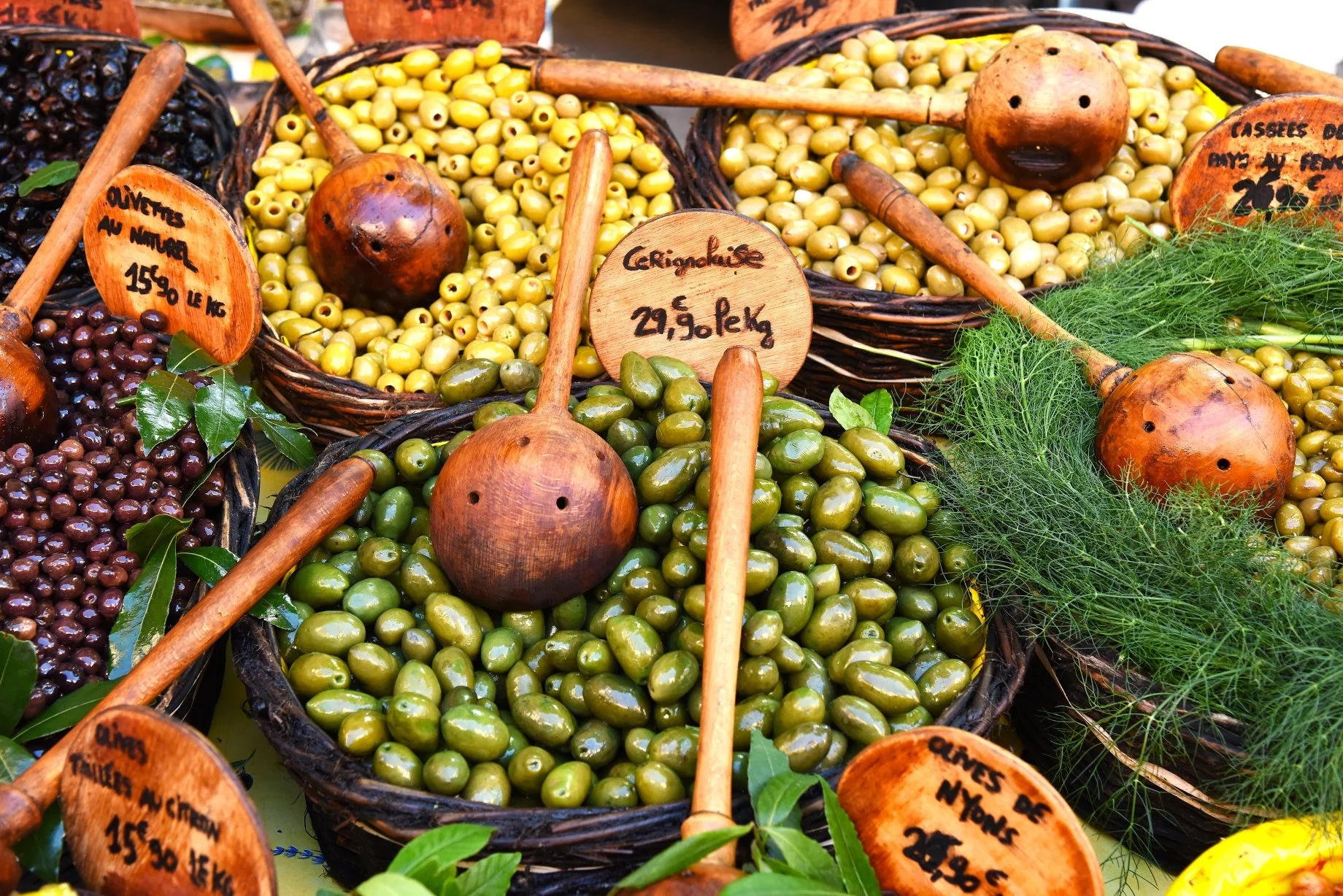
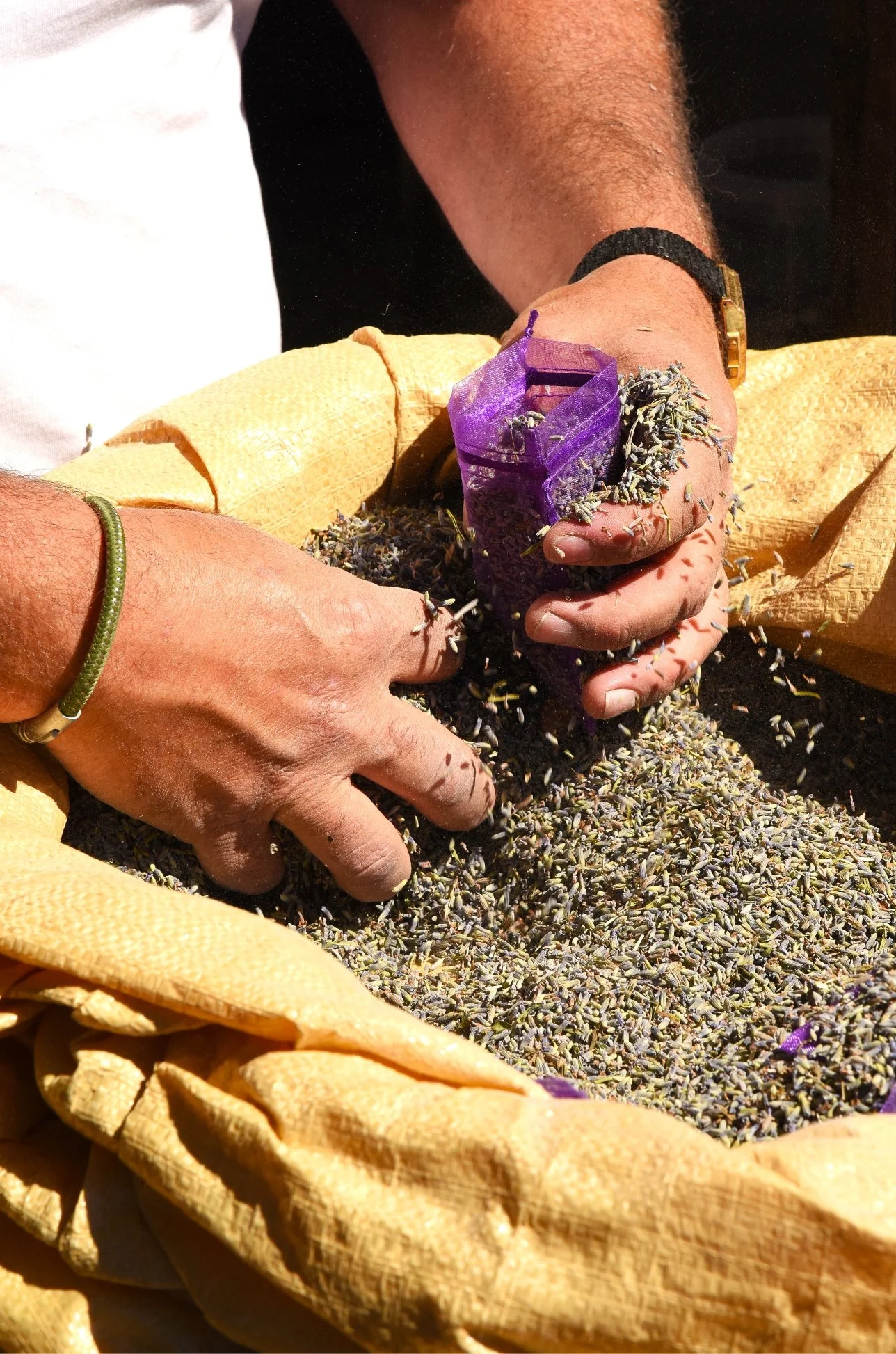
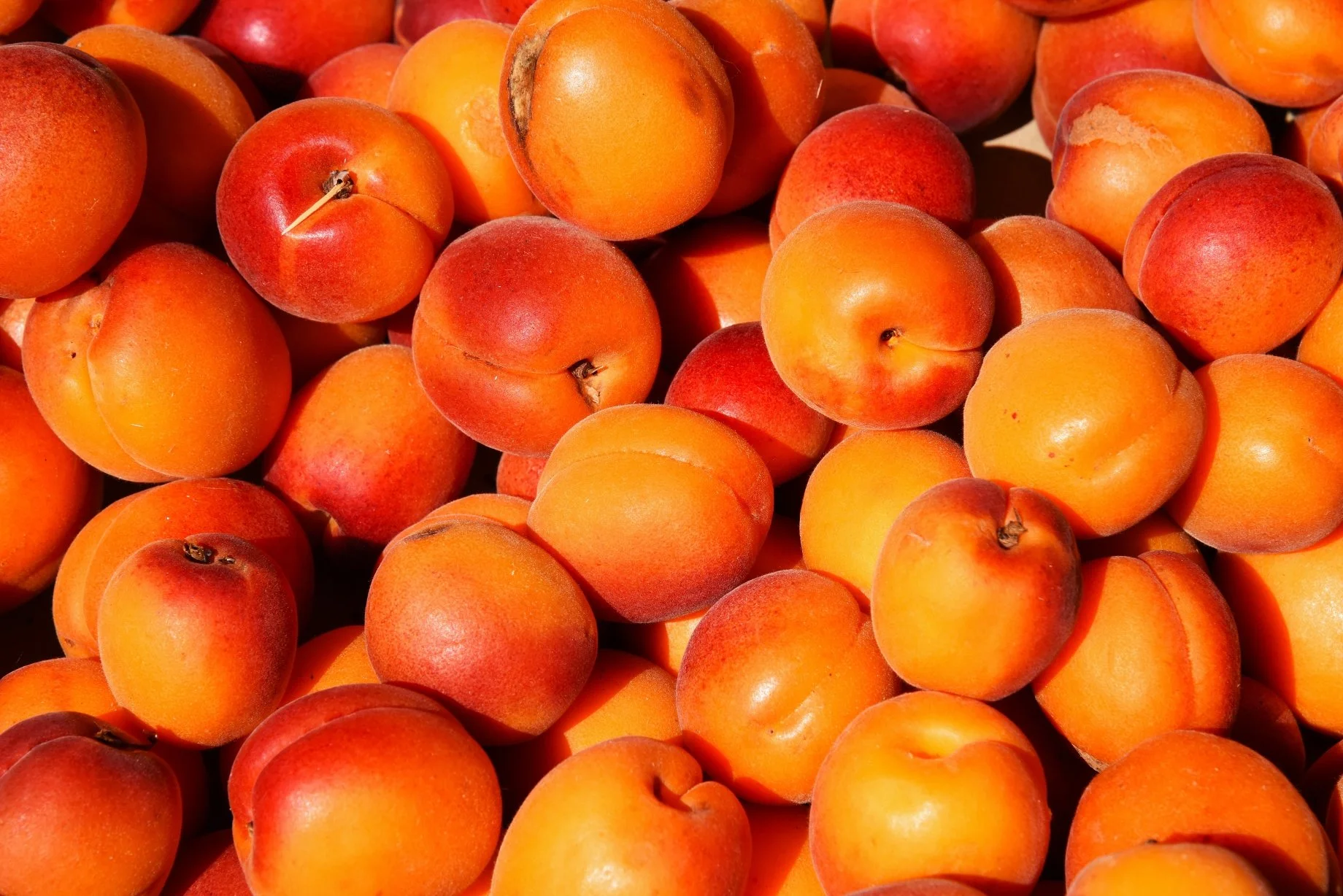
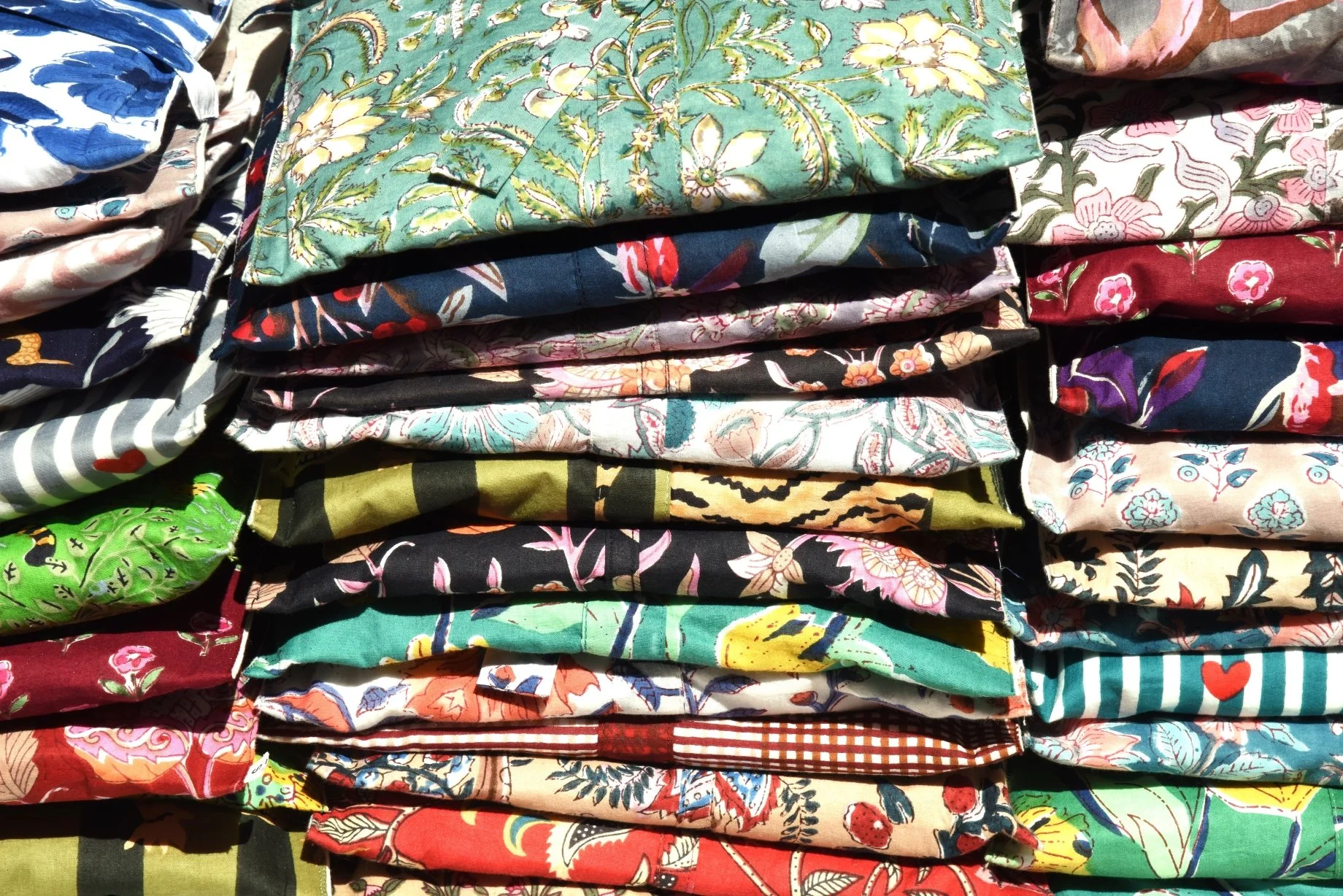
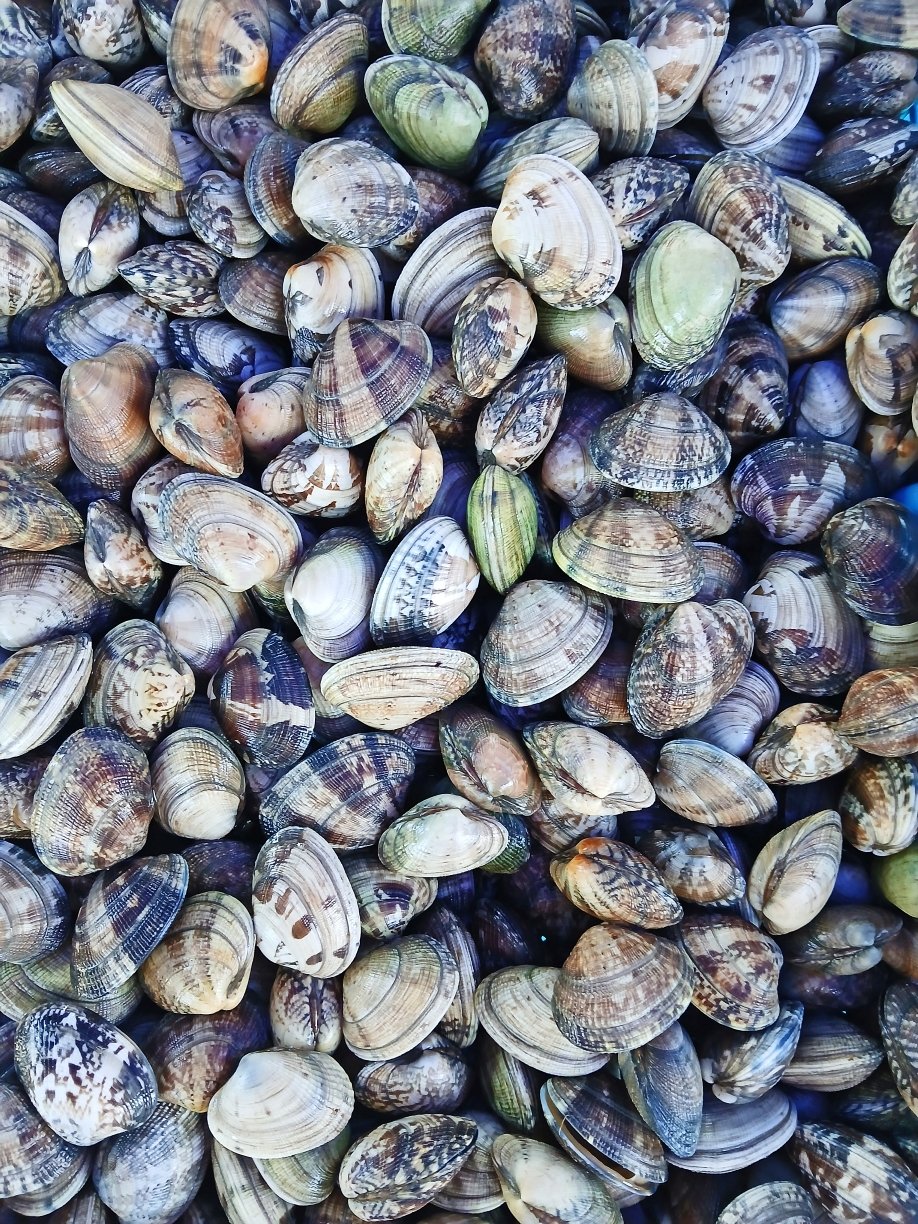
Open air markets are a major part of French living. They come in all shapes and sizes and offer goods of every imaginable type. The major cities support multiple markets, often offering specialized goods in different markets on specific days. Smaller cities and villages may have less ambitious, but equally important, markets once a week. Festivals and annual events often have their own dedicated markets celebrating things like wine, citrus harvests, and art. Markets are essential in some communities; many locals shop almost exclusively at a weekly market. For vendors it is an opportunity to sell directly to consumers, sometimes doing so in different markets several days a week. Tourists have also discovered the markets; to the point of planning travel to coincide with market days in various places. A large market takes over the streets and walkways in the center of Saint-Remy-de-Provence every Wednesday morning. The lively and colorful market offers an explosion of produce, meats and cheeses, spices, oils and vinegars, flowers, seafood, and street food to go or eat in place. Local crafts and art, textiles, clothing, lavender, vintage items, and decor round out the offerings. The variety is truly remarkable. The people are a major component of the markets. Consumers and vendors of all ages, ethnic backgrounds, and socioeconomic status mingle freely and seamlessly. Surprisingly, I and my camera are more drawn to the wares than the people. Colors, patterns, shapes, contrasts, and unexpected combinations all catch my eye.
Taking it to the Streets... Marseille
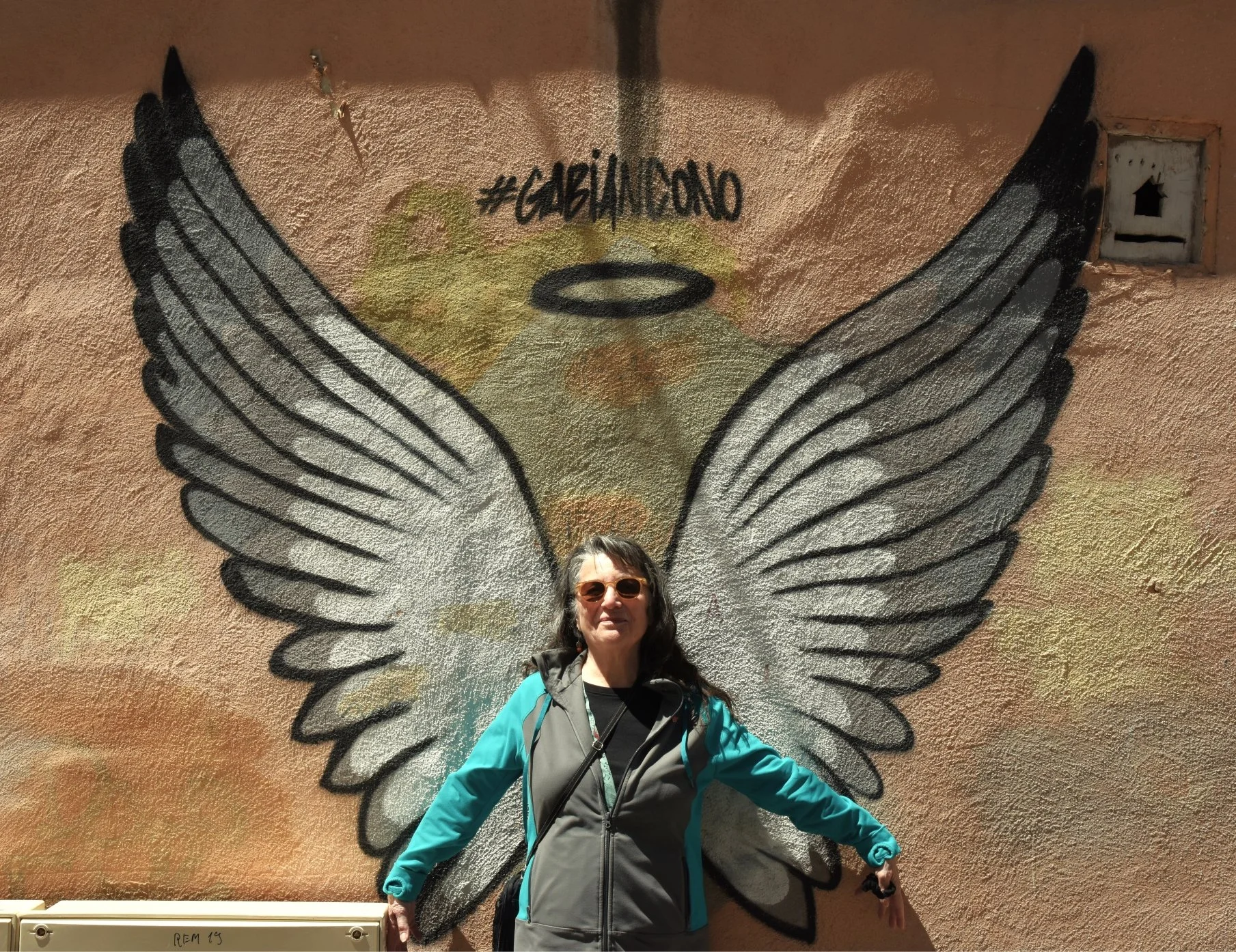
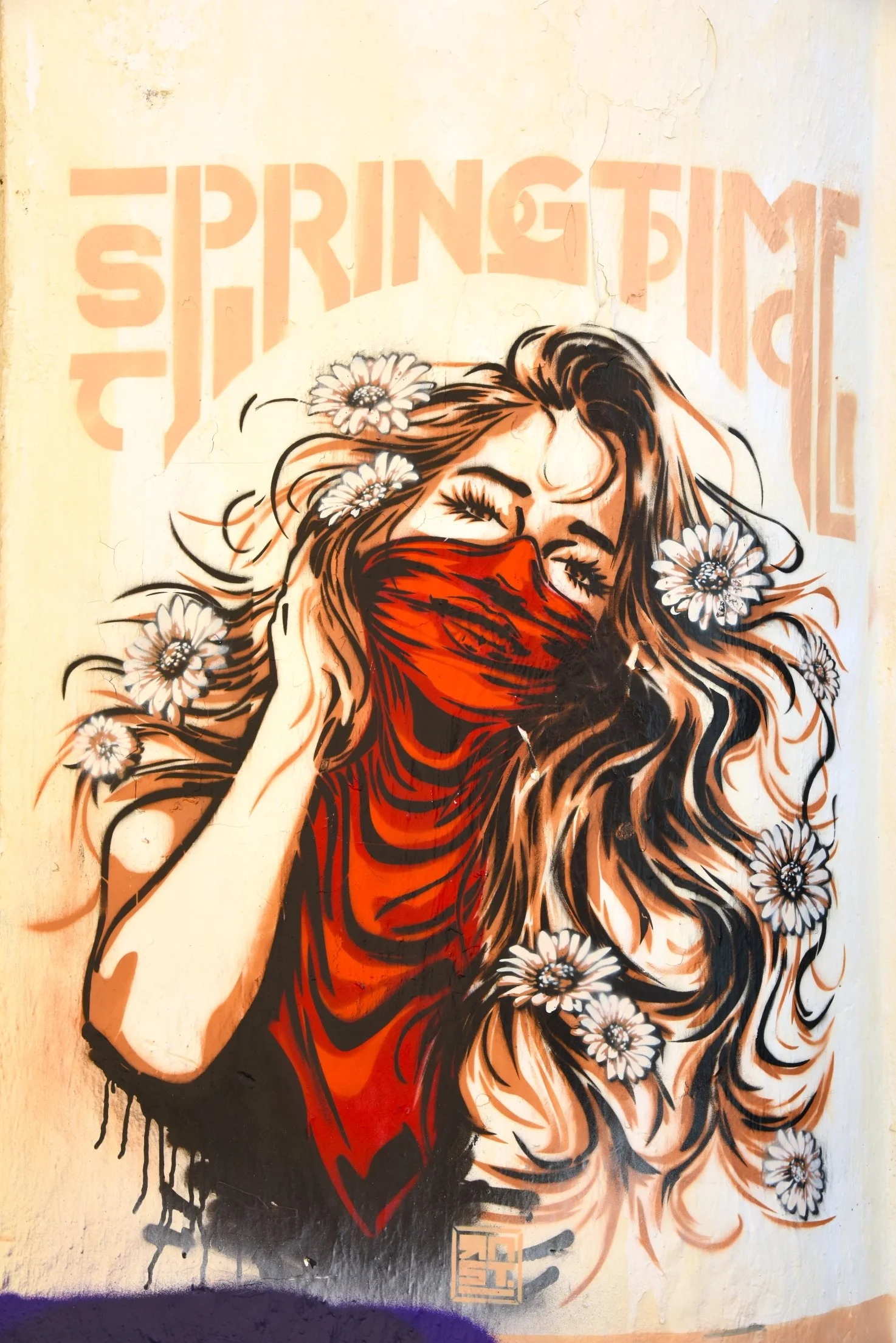
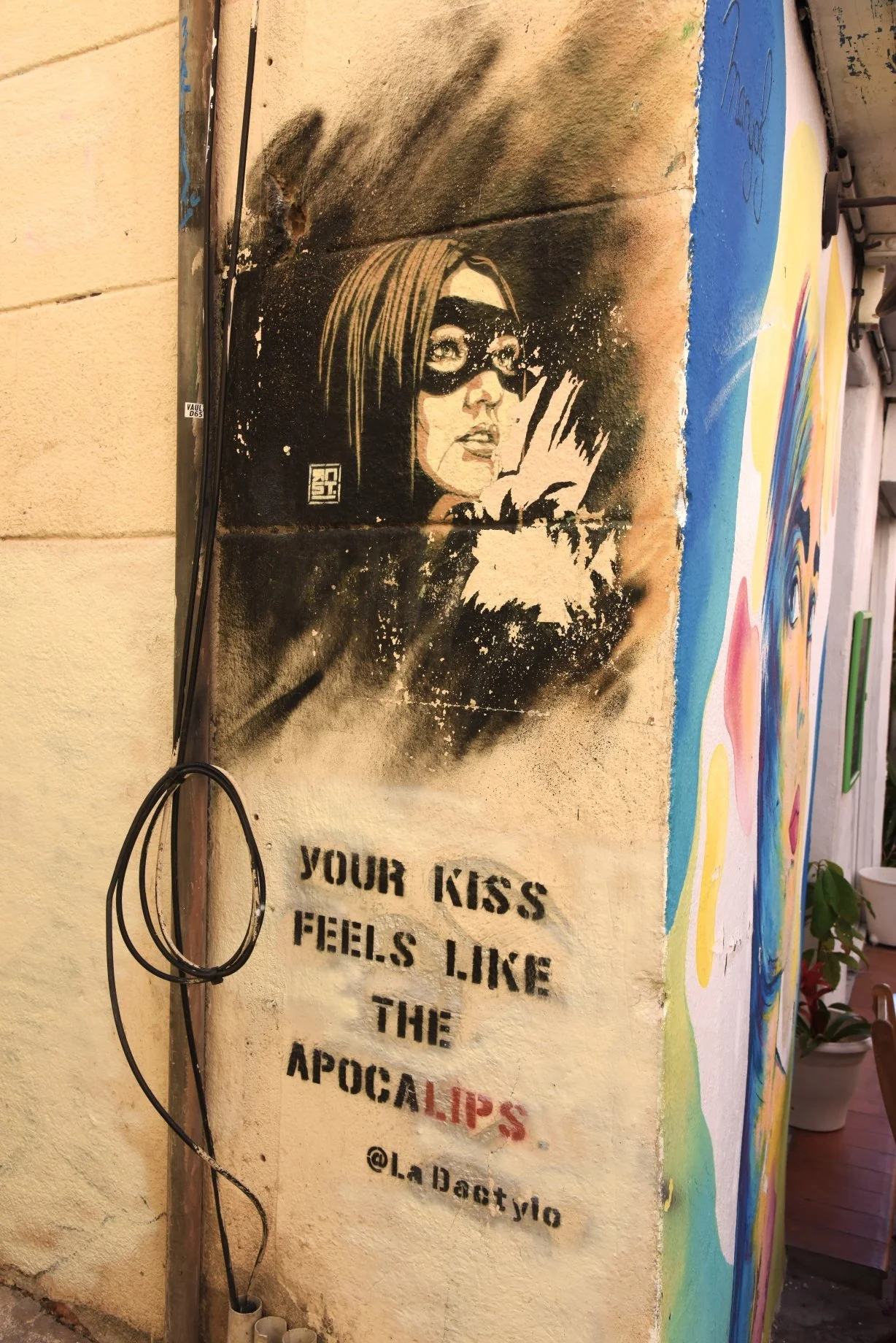
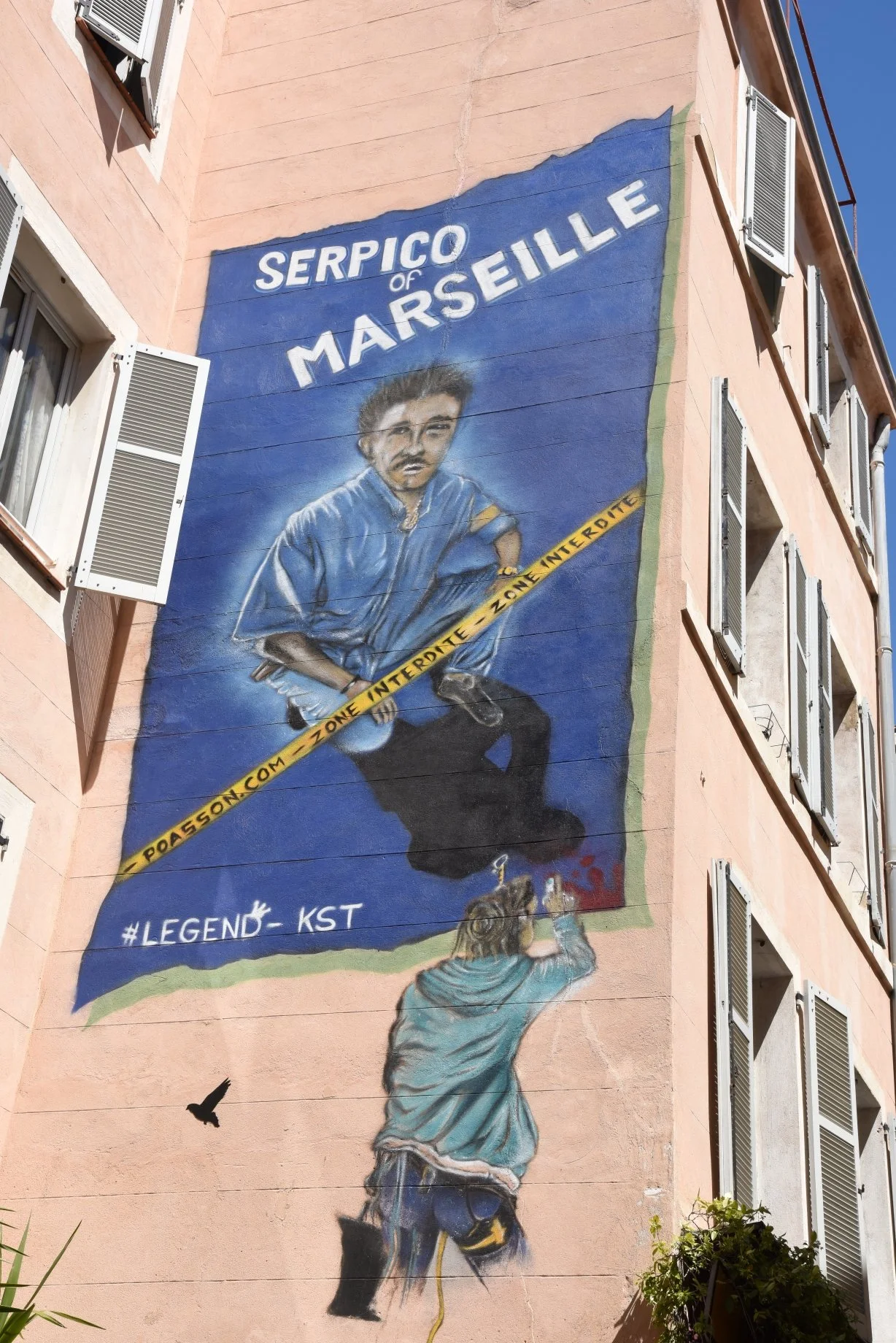
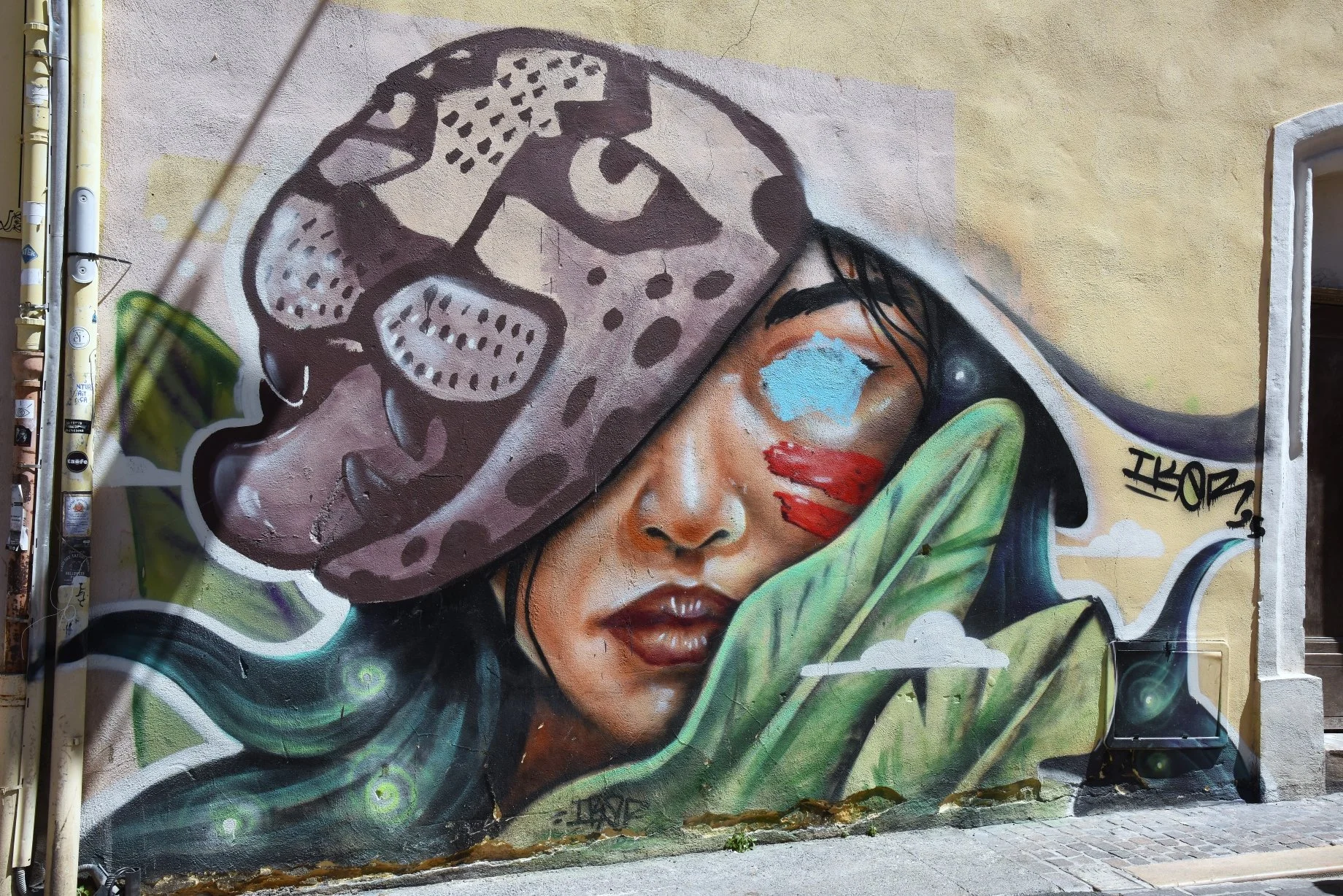
Our visit to Marseille was inspired by curiosity and nostalgia. Julia’s father was stationed there during WWII. He often recounted how much he loved the city. We have a painting of the vieux port (old port) he brought back in the 1940s. We had a strong recommendation to visit Le Panier, the city’s oldest neighborhood that sits just above the port. Ancient remnants of Greek and Roman settlements can still be found. The neighborhood has been home to many immigrant communities ever since. It is also the Bohemian center of the city. Like Paris, there are endless photography opportunities; fishmongers, flower sellers, street musicians, merchants and workers taking lunch breaks, and a colorful and boisterous African wedding were on full display during our short visit. It is, however, the street art that drew us here. Large murals, medium and small scenes, artistic advertising, and graffiti (sans tagging) can be found on walls of all the main streets, alleyways, and hidden corners of Le Panier. The work is colorful, exciting, tasteful, respectful, and fully integrated into the neighborhood. The majority, the work of accomplished artists. Many artists from Marseille reflect local themes; others from around the globe add an international flare. Politics and angst are minimal; and a sense of joy is pervasive.
Visiting Vincent
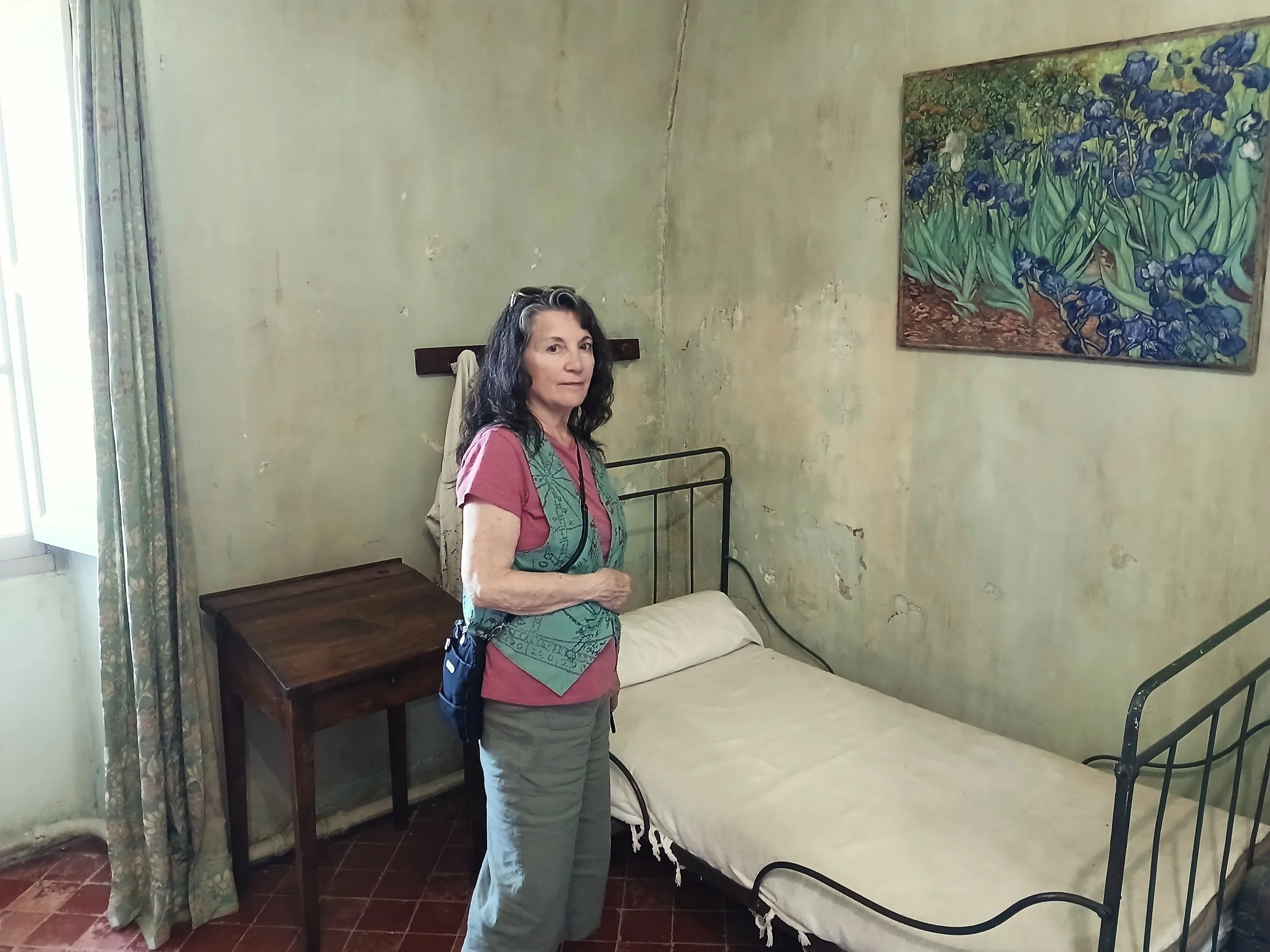
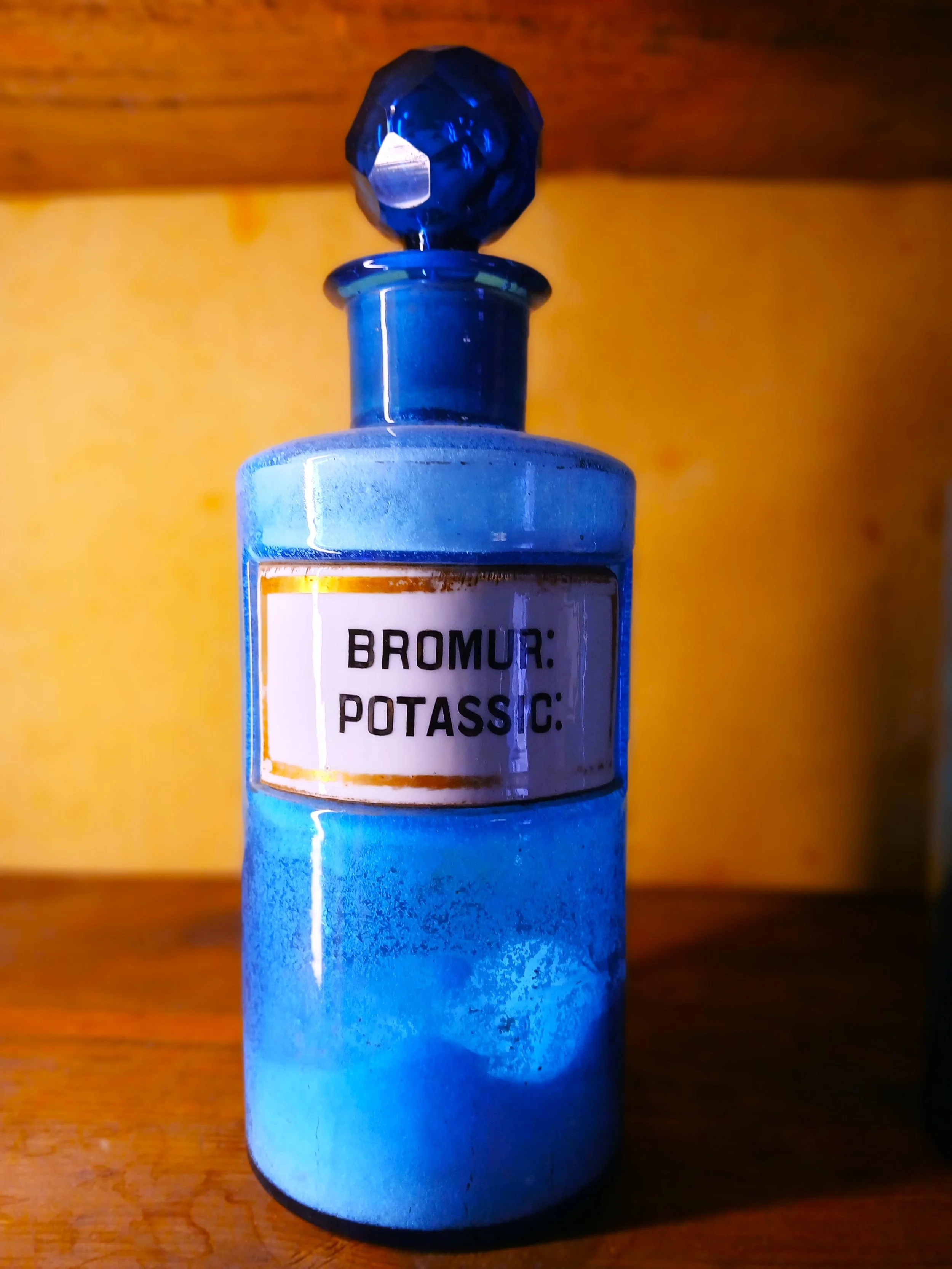
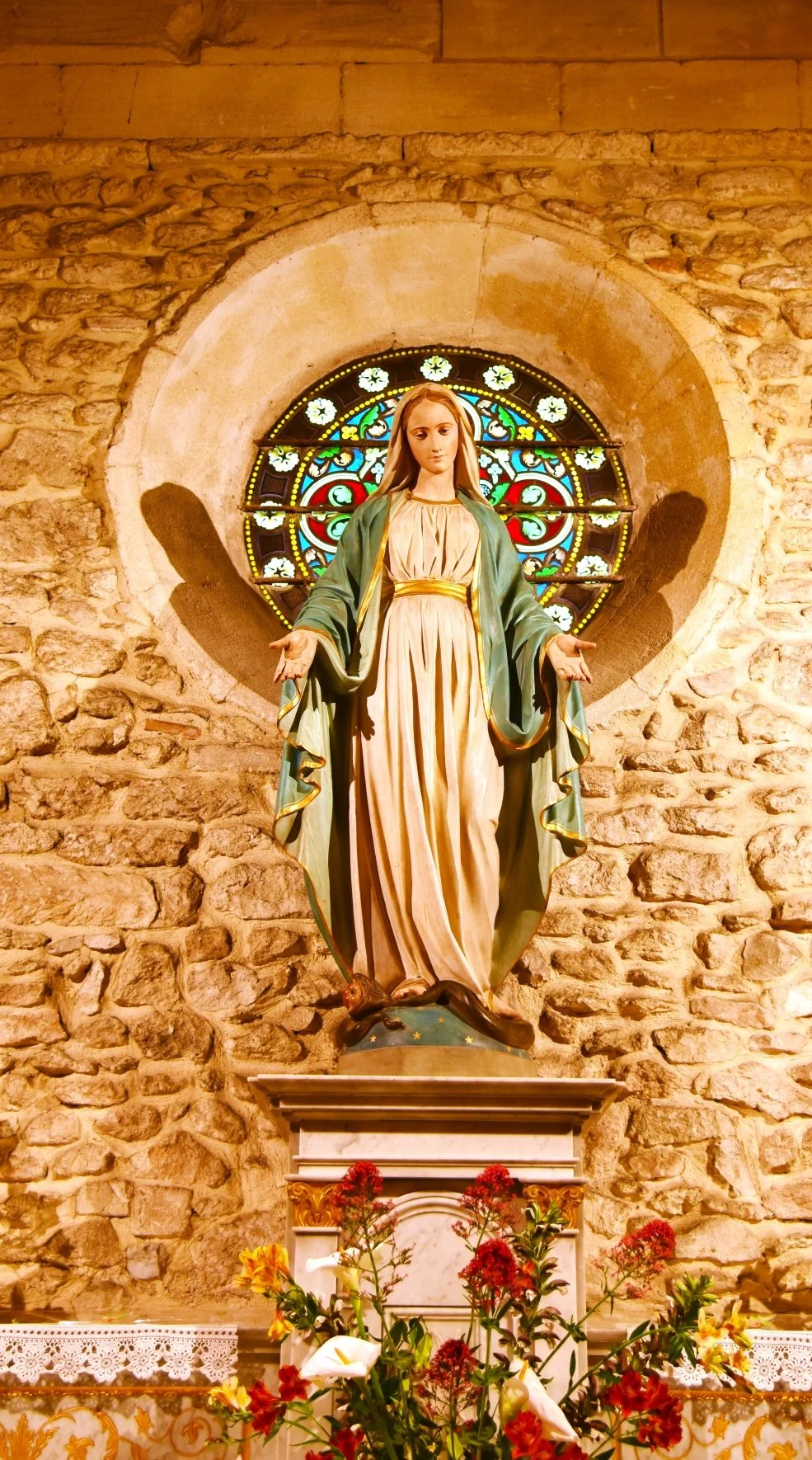
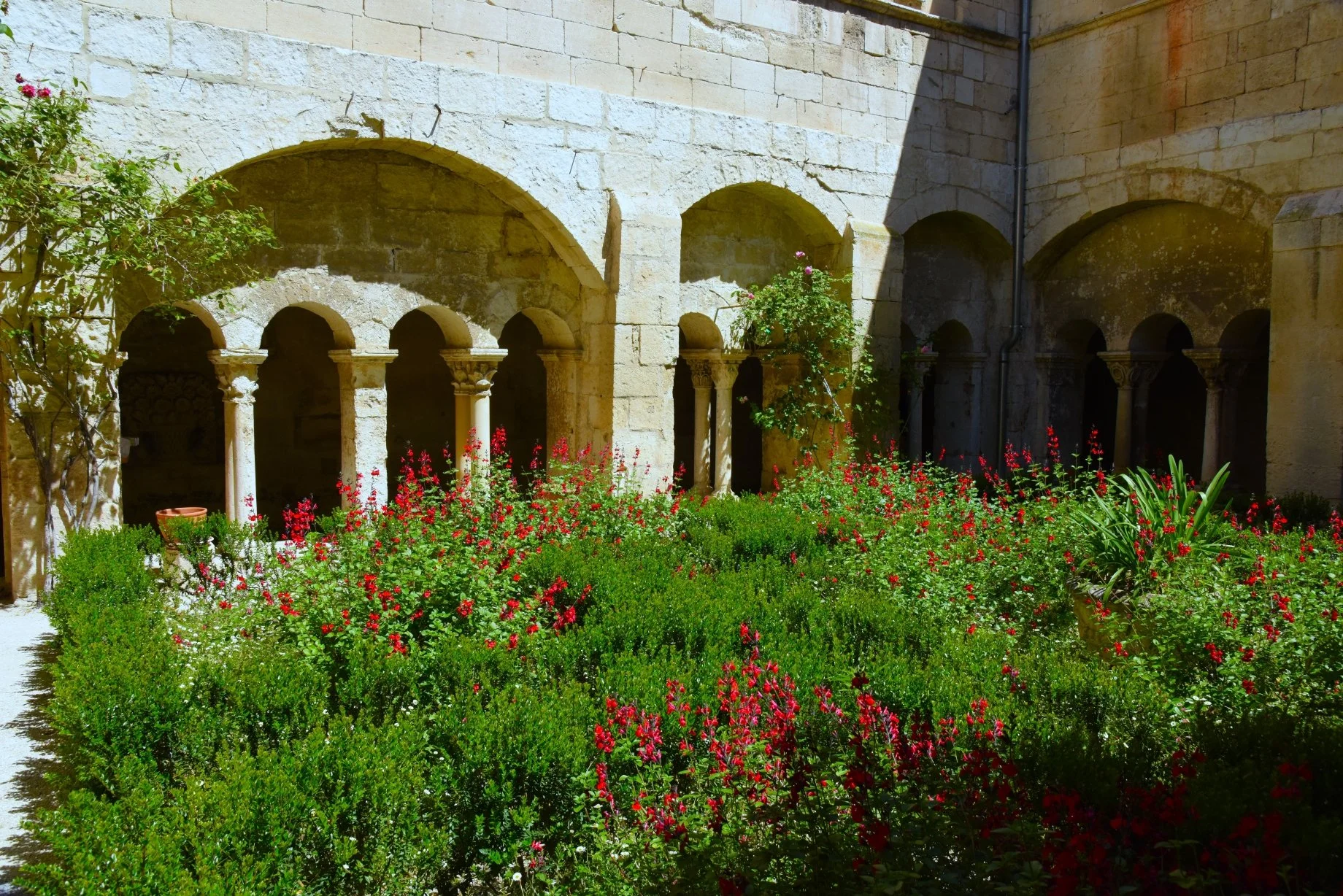
There is no shortage of varied opinion and debate about Vincent van Gogh’s physical and mental health. Or how his health influenced his painting. There is, however, a strong consensus that his paintings fundamentally altered the course of modern western art. He was an artist driven, compelled, even obsessed with creating. In a very short time, perhaps only a decade, he made over 800 oil paintings. Including a flurry of his most creative, colorful, and important pieces in the final two years of his life. His most productive and creative year was spent at an asylum on the edge of Saint Remy France. Doctors and staff understood his need to create and the therapeutic value it provided. Saint-Paul-de-Mausole Asylum became a haven for van Gogh. It still operates as a clinic caring for patients with mental illnesses. Additionally, there is a successful art therapy program with the goal of bridging the gap between patients, caregiver, and society through artistic works. A fitting tribute. Parts of the asylum, including the room where Vincent van Gogh lived and painted, have been preserved as they were over 100 years ago. A visit is moving, disturbing, inspirational, and cause for self-reflection all at once. Spartan living spaces, institutional trappings, and evidence of extreme treatments were my initial impression. But gardens, open air spaces, and great compassion are also evident. For Julia, my wife and a life-long artist, the visit was somewhat overwhelming and humbling. Of course, I was busy taking photographs.
An American in Cassis
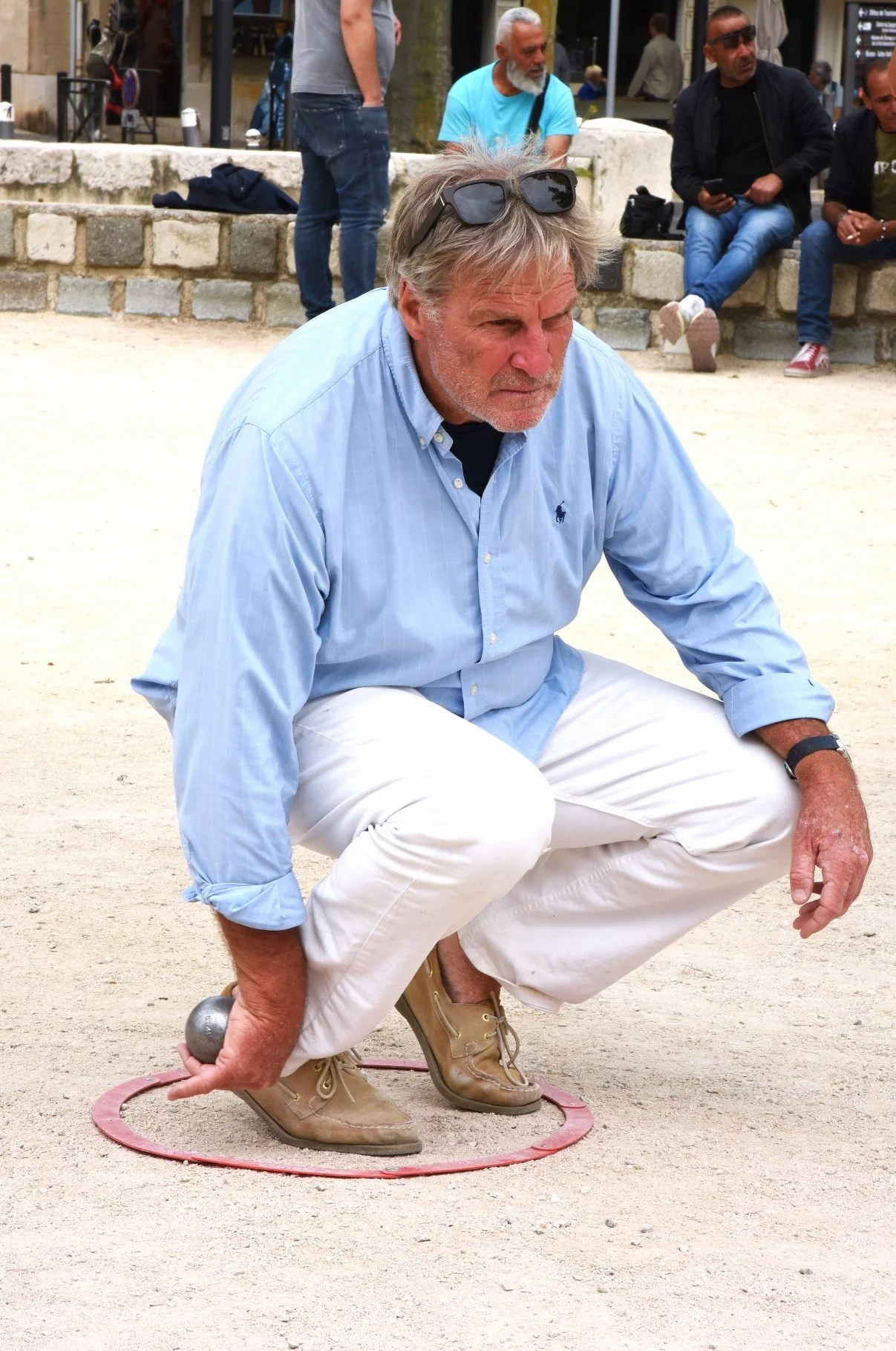
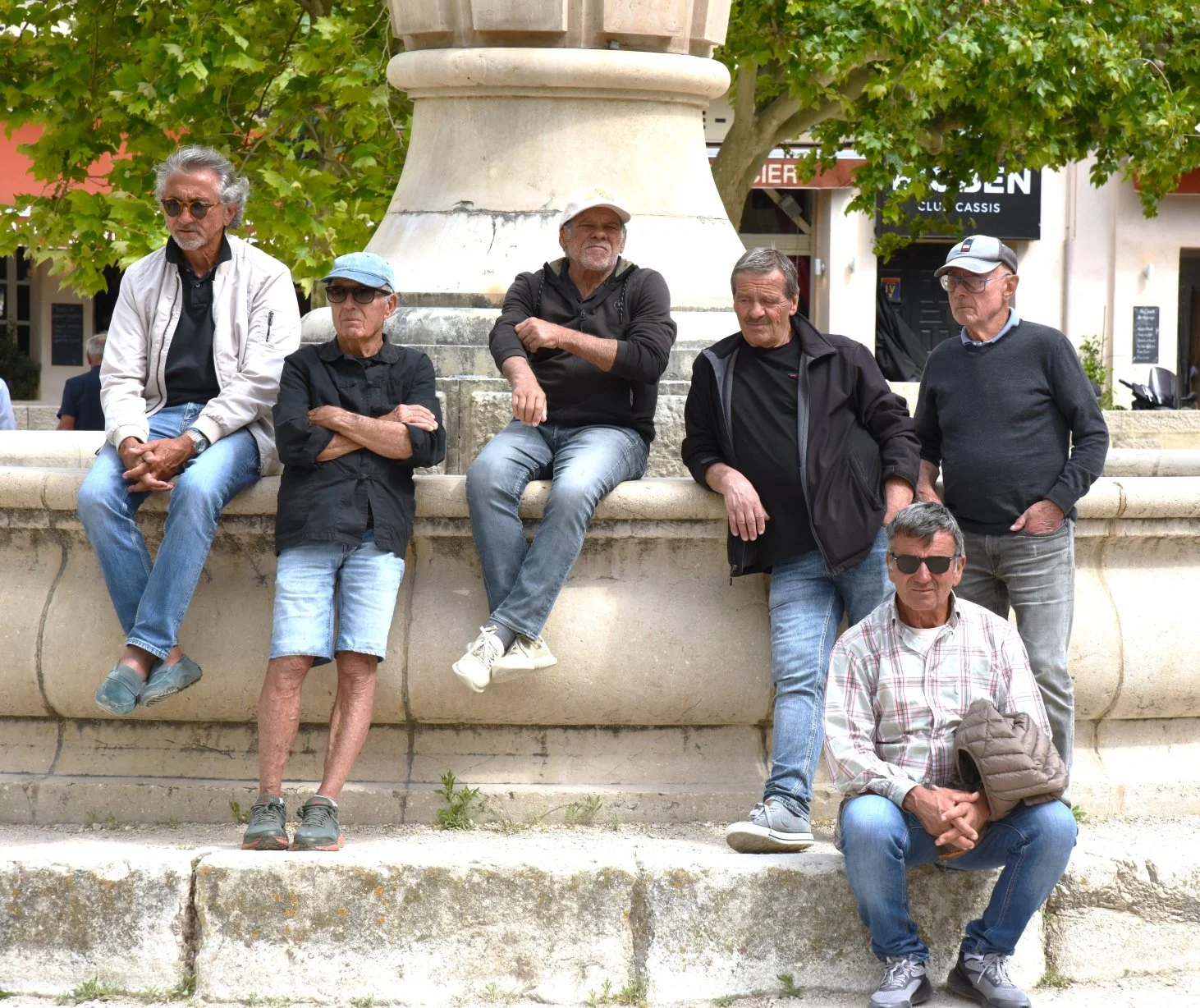
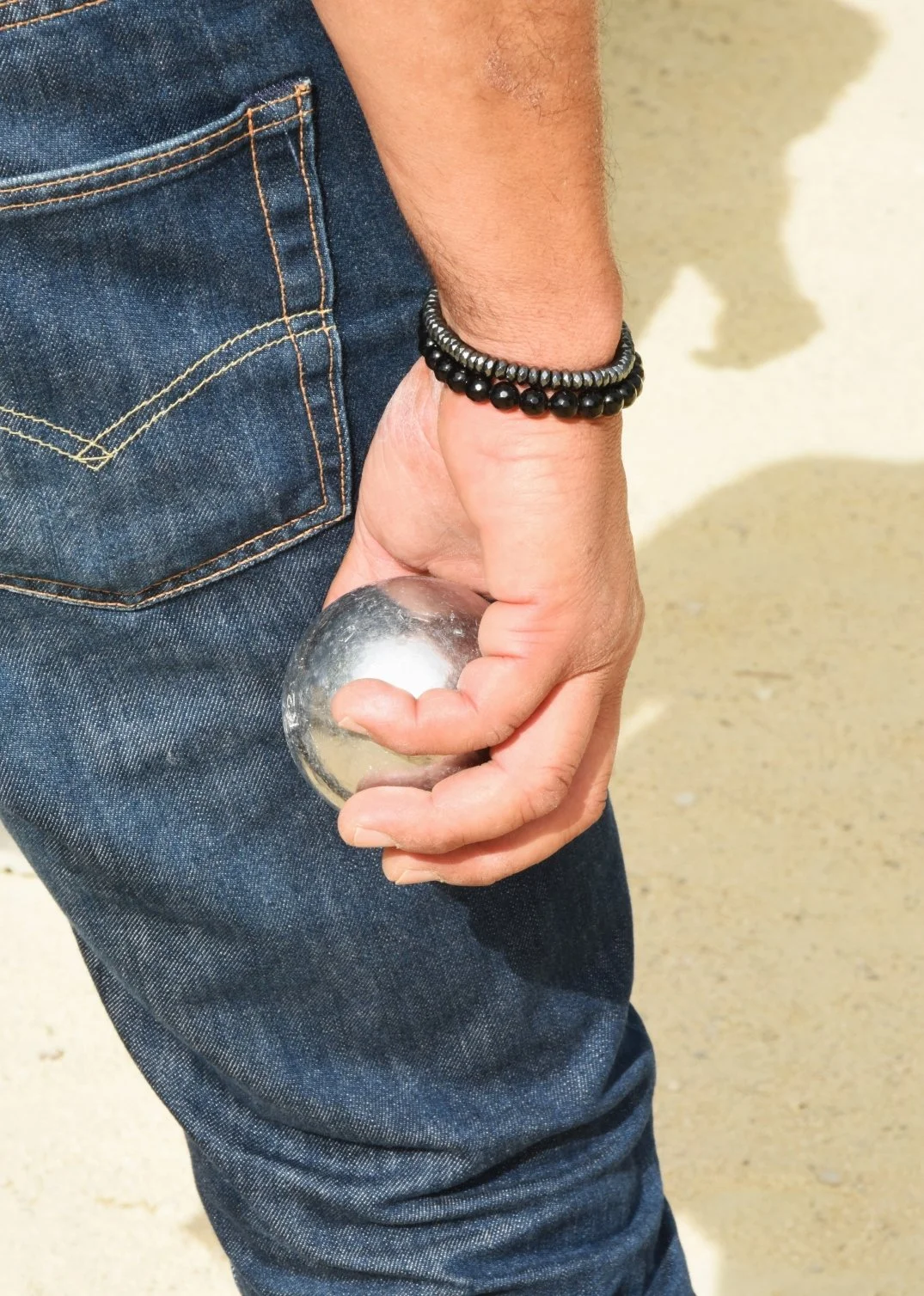
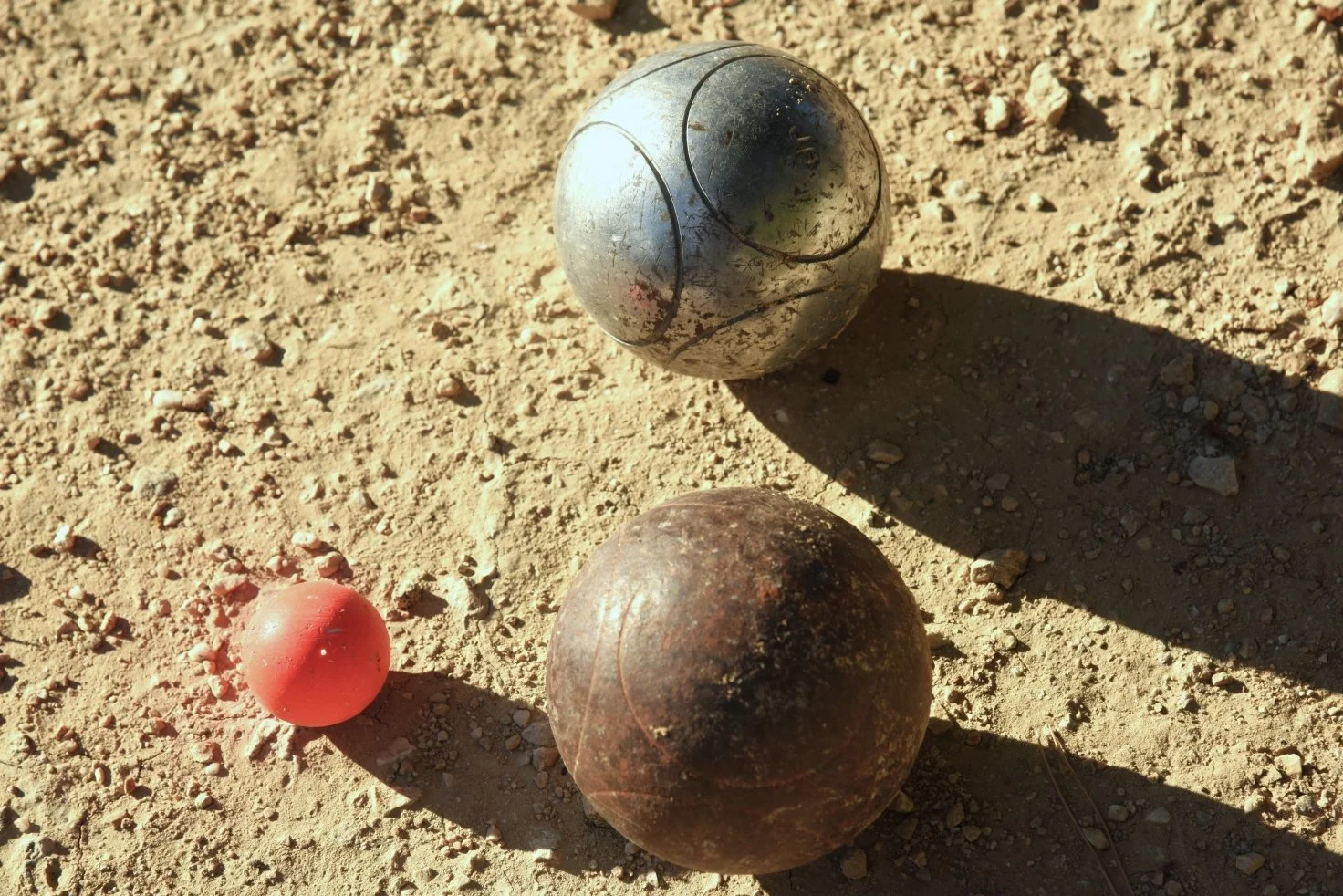
Cassis is a moderately-sized commune centered around a harbor flanked by limestone cliffs on the Mediterranean Sea. It is in the middle of the Calanques National Park and a popular stop for tourists. Restaurants, shops, condos and hotels, colorful small boats, and beautiful beaches ring the crescent shaped harbor. The largest open space in Cassis is the pétanque court. A place where players, spectators, and gelato-toting visitors gather. A community space where a traditional French activity occurs daily. Also, the most obvious place for me to be with my camera. The bulky camera was an evident giveaway. A handsome, casually (but well) dressed, middle-aged man approached and asked in a thick southern (US) accent where I was from. After some pleasant conversation, the ex-pat lawyer from Alabama offered a somewhat sarcastic, but equally revealing, confession. “Pétanque has ruined my life”. He came to southern France for business and some sailing and became hooked on the game as four years passed. He now lives above a restaurant with a commanding view of the harbor and pétanque court. Village life was the real draw; pétanque is symbolic of that lifestyle. Social interactions with family and friends are given high priority, a slower pace with time for reflection, celebration of simple pleasures, some rules and hierarchy, but with built in flexibility, and ties to heritage and tradition are all part of village living. His parting words. “This is a magical place”.
Parisians
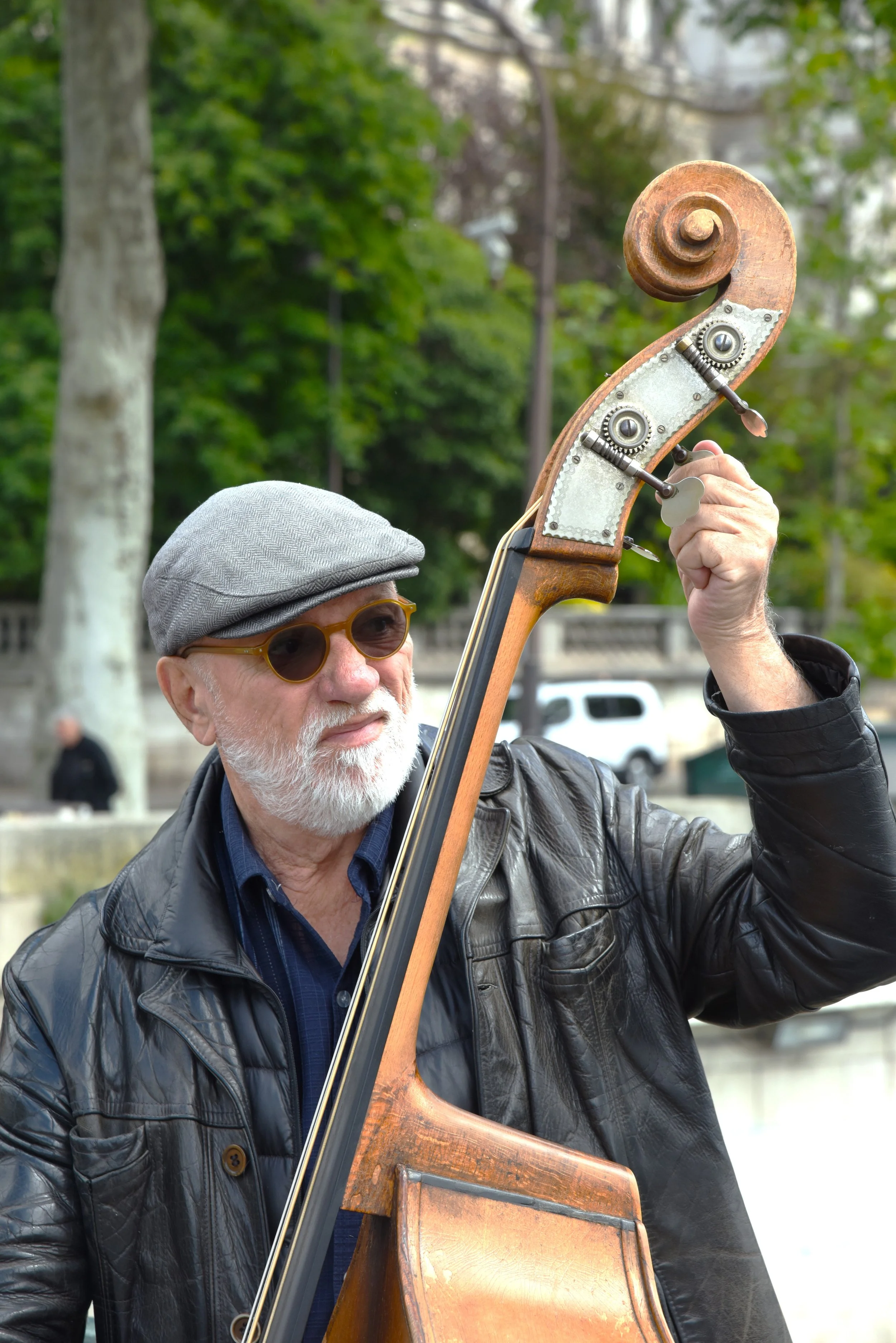
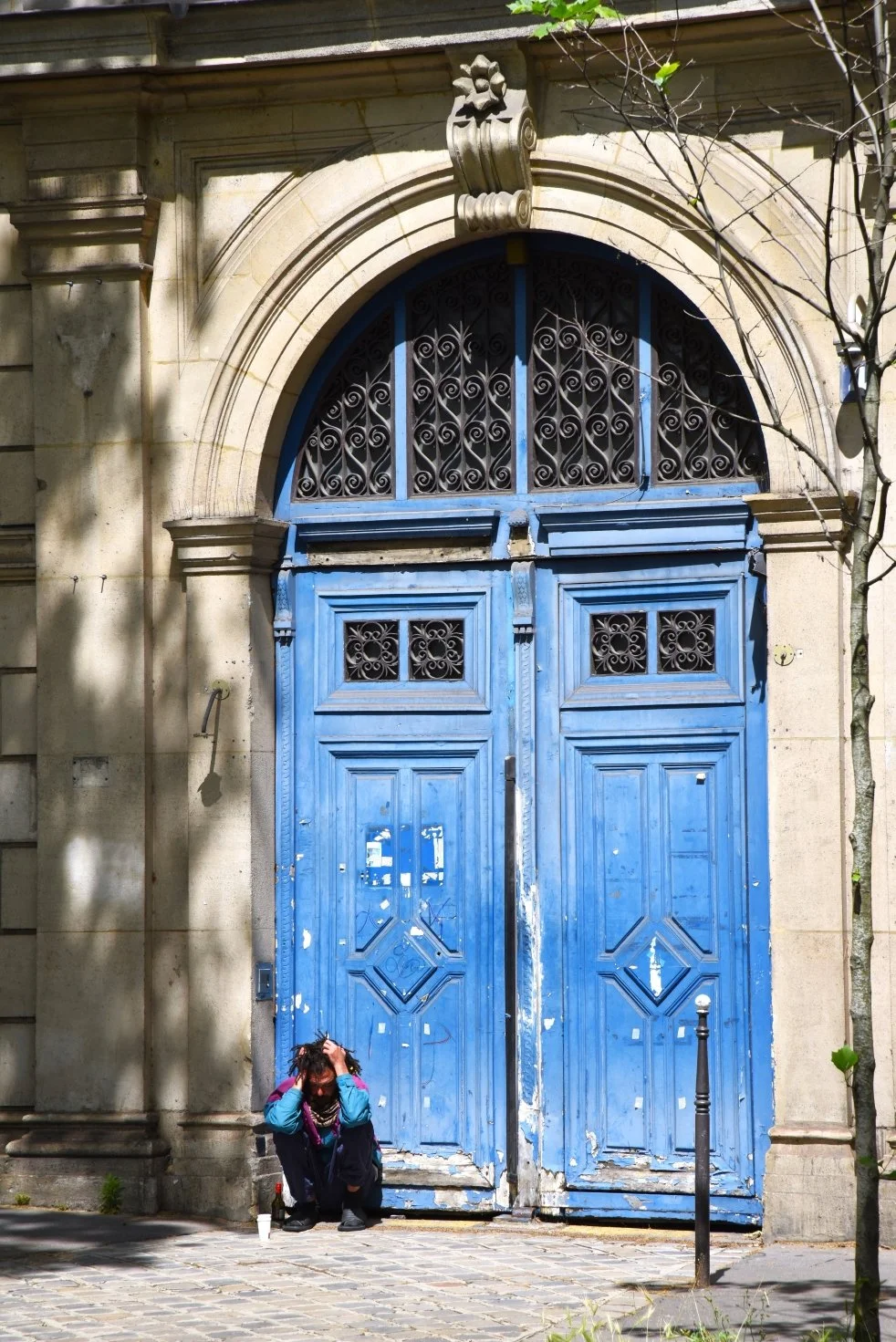
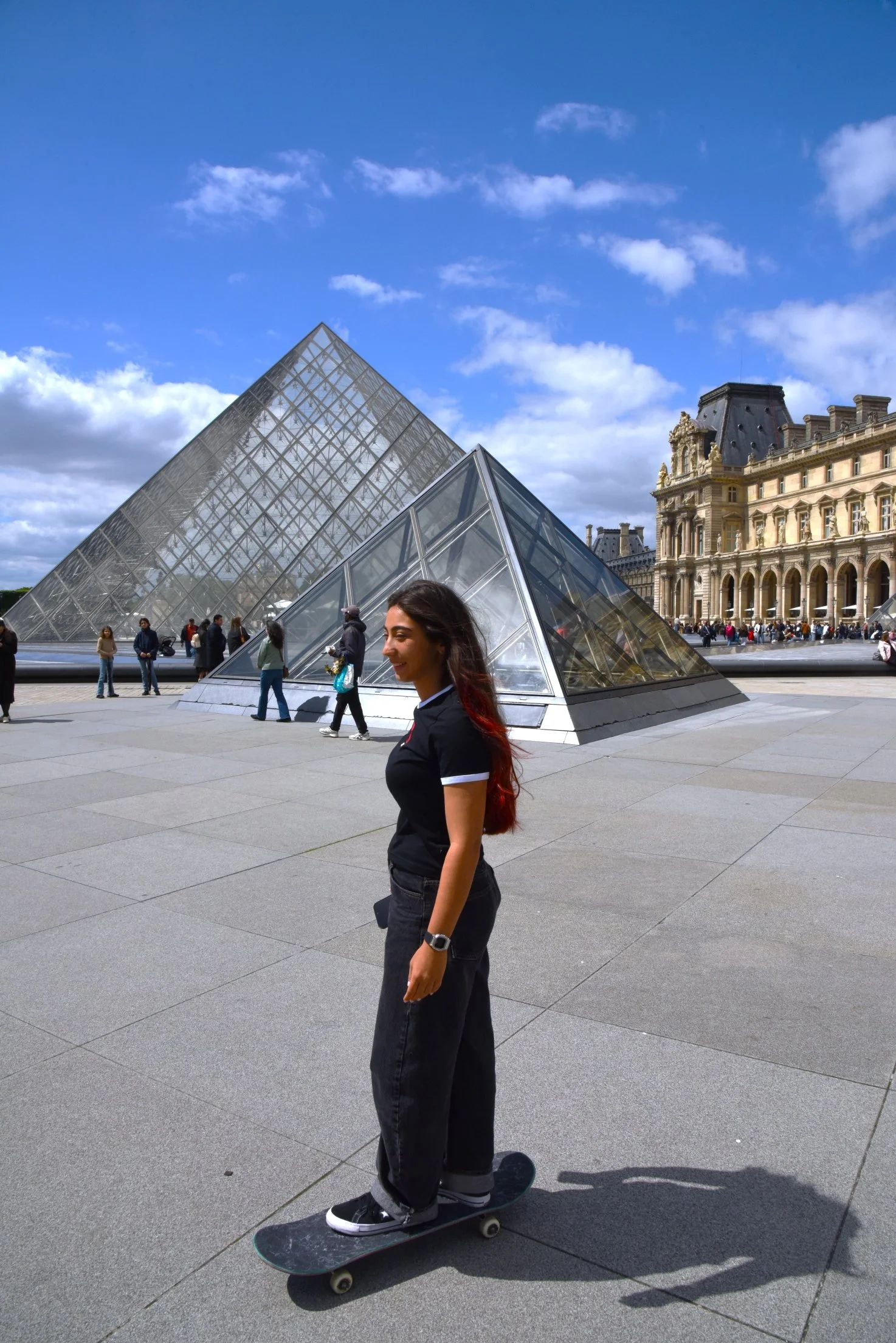
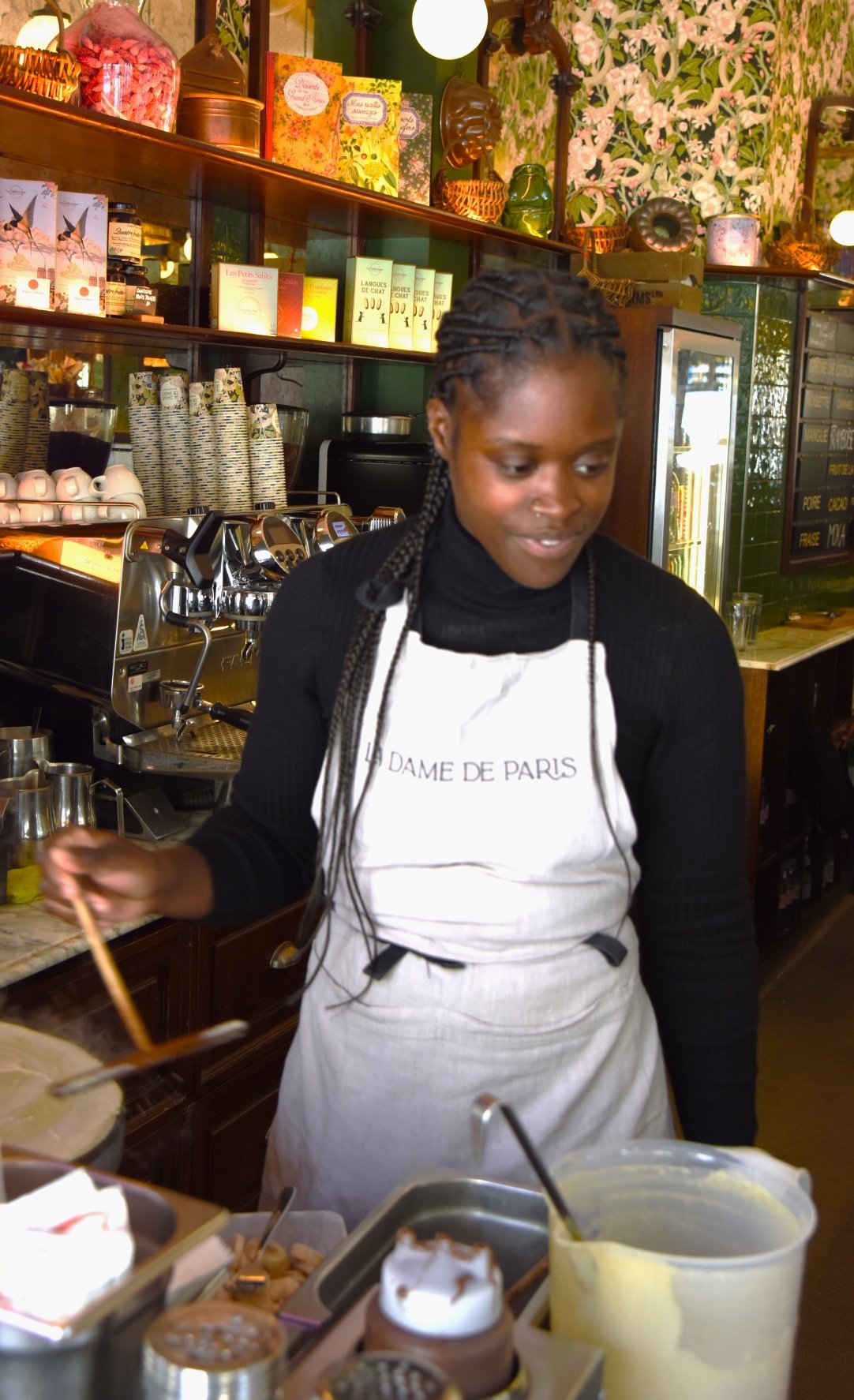
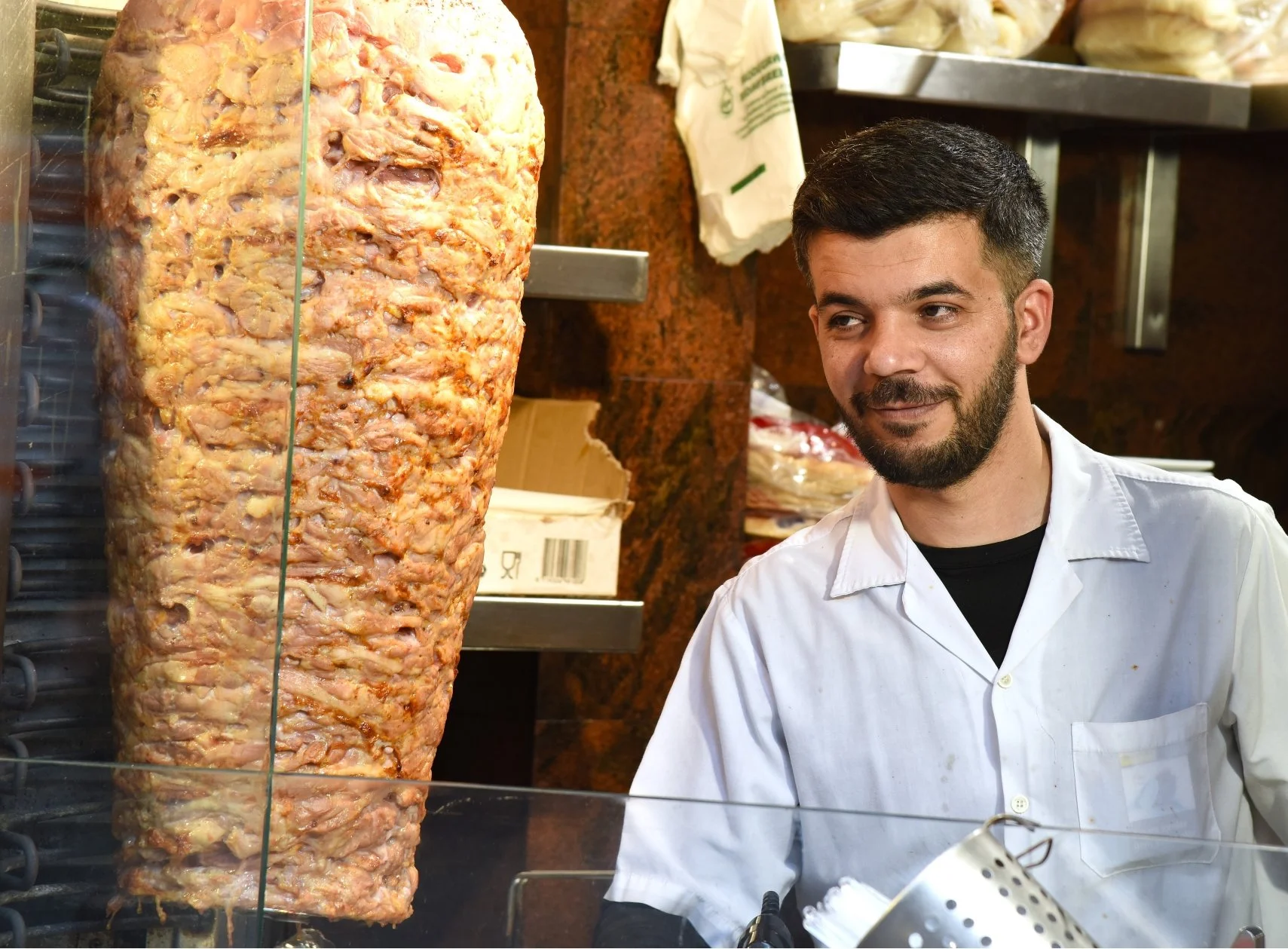
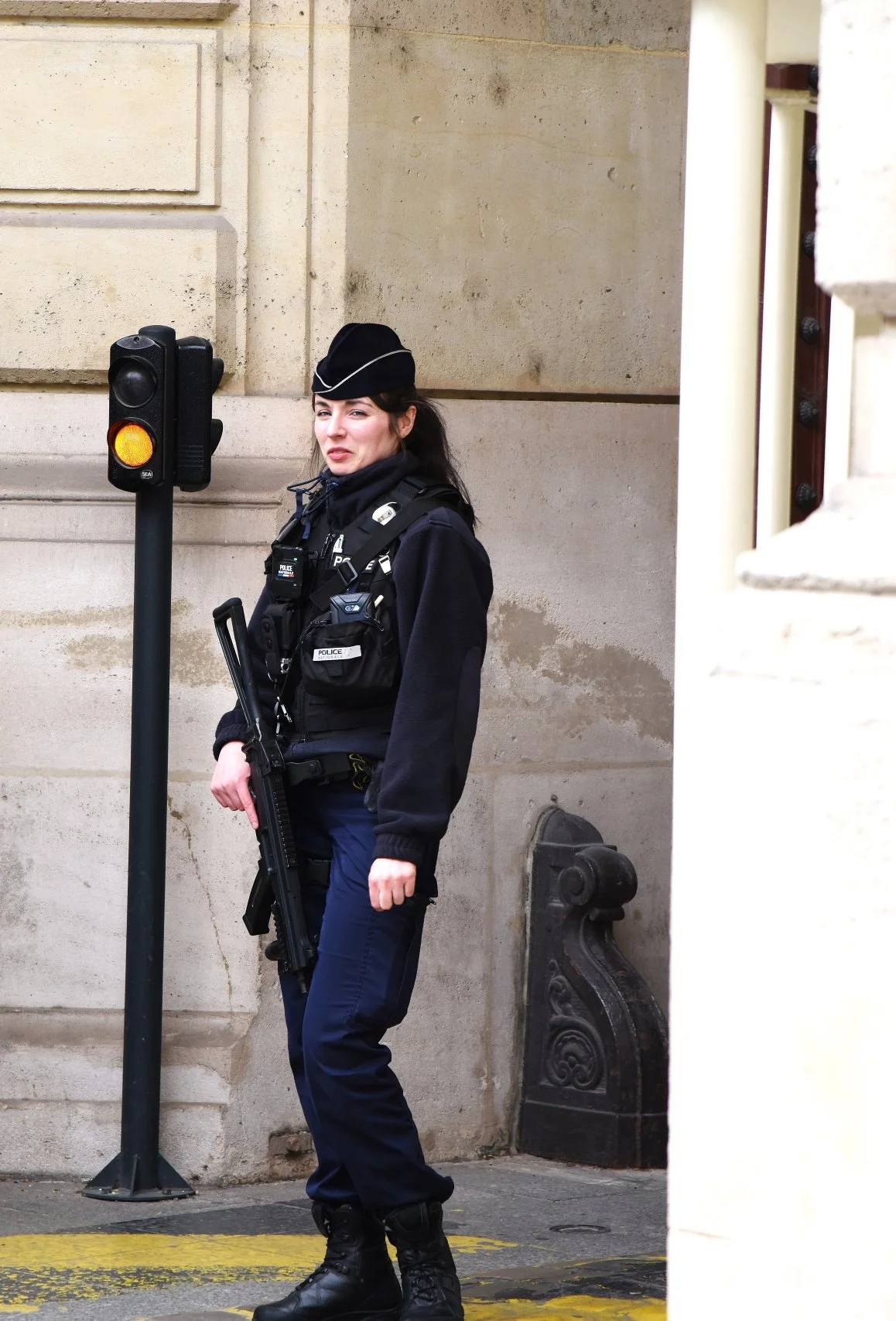
There is no shortage of iconic photographs to be found in Paris. I did take photographs of the Eiffel Tower, Notre Dame, and boats on the Seine. However, I believe the best way to get to know and understand a place is through its residents. There are a wide variety of people that call Paris home. Each one adds to the flavor and color of the city. Life-long Parisians and new arrivals play important roles; as do young and old. Some have been swallowed by the enormity of the city. Others are cogs in the giant, loud, and complex machine that is Paris. And there are those for whom Paris seems merely a backdrop for a live that could be lived anywhere. A recent trip to Paris gave me the opportunity to revive my keen interest in street photography. Also, good practice on camera settings, light, shadows, distracting elements, and composition. And having to do so on the fly. By their nature, the interactions are fleeting and generally anonymous. There is no time develop report and a collaboration. Sometimes a gem emerges from these circumstances. But the results can also be disappointing.
The Big Picture
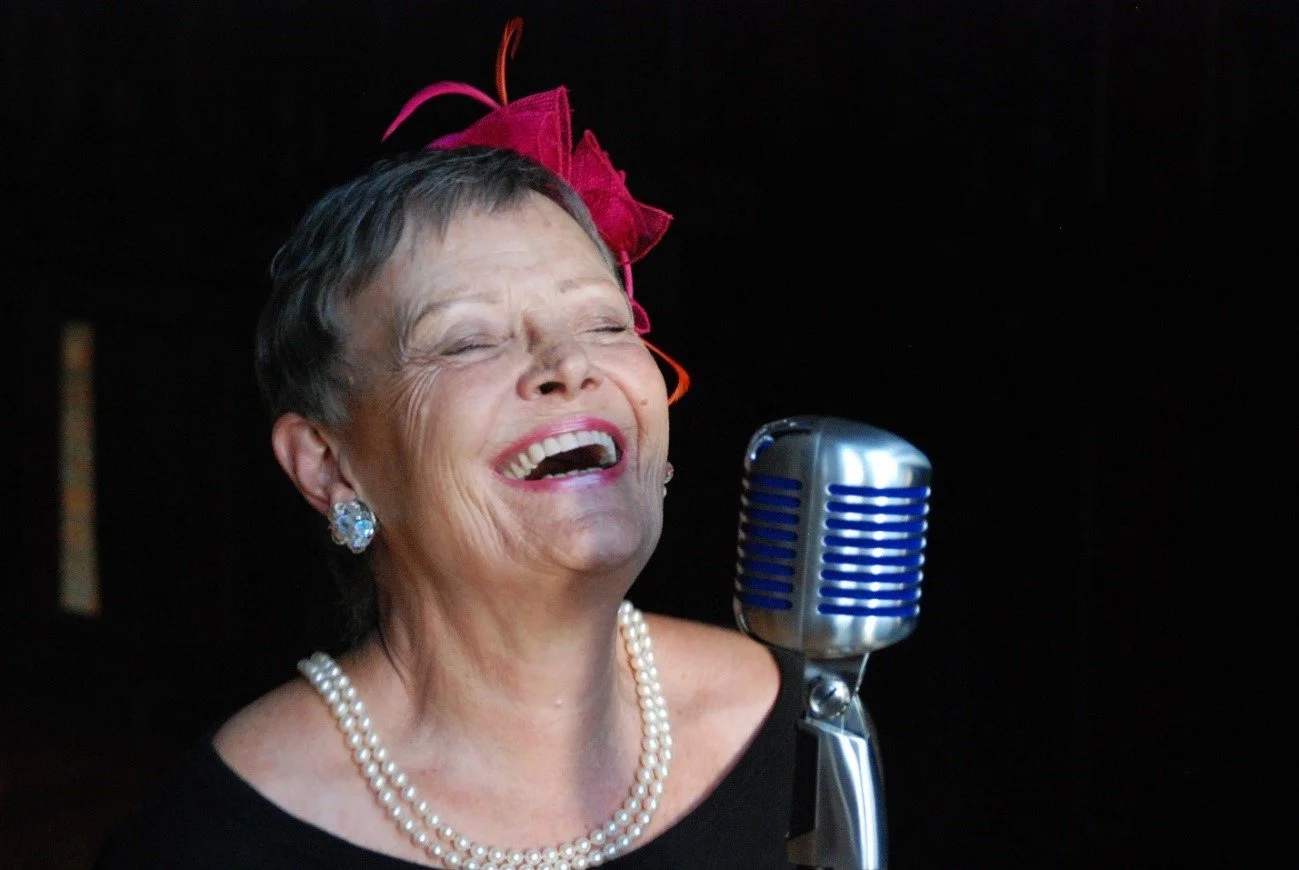
Gretchen was a dear friend. A friend who recently lost her monumental battle with cancer. When the battle seemed winnable, not just noble, we made a series of photographs to document her journey. The pictures were based on some iconic images with a pink substitute for a central element in the original. I am pleased with several of these. I take greater pride in the relationship that developed around them. Gretchen invited me to be part of her odyssey. She showed great confidence in my abilities to capture her mood, status of her health, and persona. More importantly, she fully trusted me to become part of her emotional world during a very difficult and challenging time in her life The work we did together, not just the photographs, cemented a deep friendship that continued to grow. The project exhibited the value of collaboration and the importance of a muse. Happenstance has yielded some historic photographs of important moments. But planning, organization, practice, and some homework are the best ways to get consistent results. My favorite photograph from the series has a pink fascinator in place of Billie Hoilday’s gardenia corsage.
As Richard Thompson would say “she ran out of road, she ran out of breath”. She, however, did not run out of family and friends that were drawn to be with her or the joy their presence brought. She did not run out of strength or courage. She did not run out of appreciation for my sarcasm. And she did not run out of dignity.
The Zen of Retirement
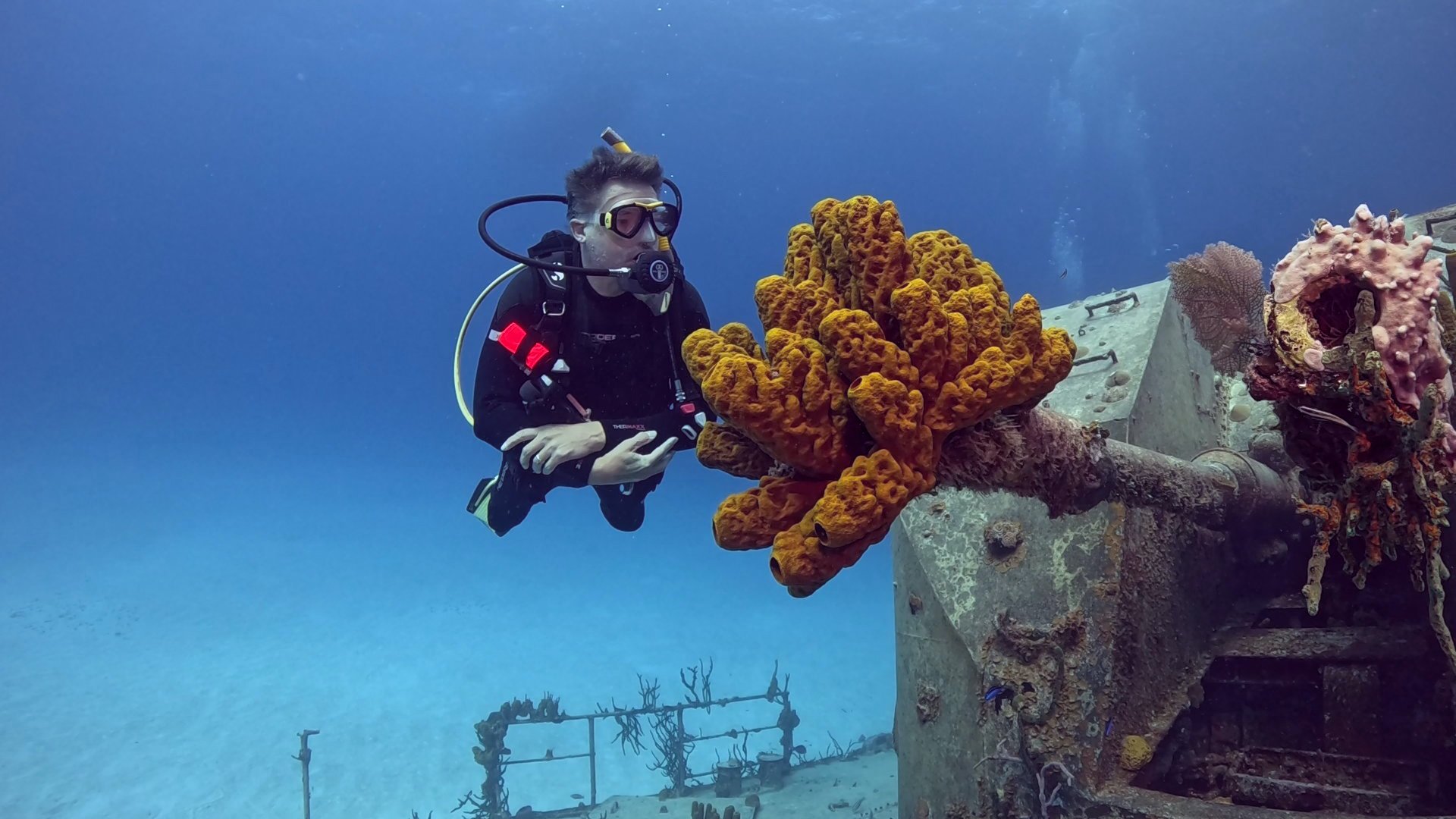
Just got back from a week of great diving in Cayman Brac. A seemingly odd topic for a photography blog; but there is a method that I hope will make sense.
Buoyancy is the great equalizer in SCUBA. Weightlessness (neutral buoyancy) in water, while laden with heavy gear, is the ultimate goal. I have seen overweight divers, divers with injuries and disabilities, and older divers become soaring birds… or more appropriately, perfectly balanced fish. There are some tricks to learning good buoyancy. Some divers get the hang of it very quickly; others always remain clumsy, heavy, and off balance underwater. There is often an “ah ha moment”. And, like all skills, it requires practice, patience, and repetition. Good buoyancy is the gateway to many other important aspects of diving like minimal air consumption, streamlined posture, preserving delicate sea life by staying off the bottom, situational awareness, good buddy skills, and an enhanced overall experience. It is when diving becomes meditative. I have good buoyancy, under most circumstances.
During the trip I took my camera and lights under water for several dives. My rig is fairly simple, small, and light. Every time I dive with camera gear I recall a week of diving very early in my SCUBA and science career. Hard diving, deep diving, far offshore in cold water, my first Nitrox dives, and wearing double tanks with redundancy and a bulky drysuit. Additionally, there were multiple tasks and scientific activities to perform on every dive. I was a novice in the deep end. Bill Curtsinger, a renowned underwater photographer, joined the team and dove with my group on a few dives. Bill was slight, kept to himself, and was task oriented. His rigs were large housings holding advanced 35 mm film cameras, they had big dome ports, and double strobes on large articulated mounts. Something akin to space ships or giant deep-water arthropods. He slipped effortlessly over the side of the rubber boat with three of these rigs hanging by tethers from his gear. Perfect buoyancy and complete control in challenging conditions. He was a marvel.
On my recent dives with a camera rig, I once again felt like a novice. My buoyancy suffered dramatically. I used more air. I lost track of my buddy (grateful for 100 feet of visibility) more than once; and generally failed at task loading. On land it is common to become myopic while pursuing a photograph or series of images. But underwater the stakes are higher and the mistakes more obvious. Returning to the boat I commented to the captain and divemaster that I was shocked how much air my camera used.
The experience is a valuable reminder about becoming complacent, presumptuous, and forgetting the value of important early lessons. There is always room for improvement, learning from others, acquiring new skills, and humility. Zen is a never-ending pursuit.
Photo by Chris DeCarlo
Snow Tutorial
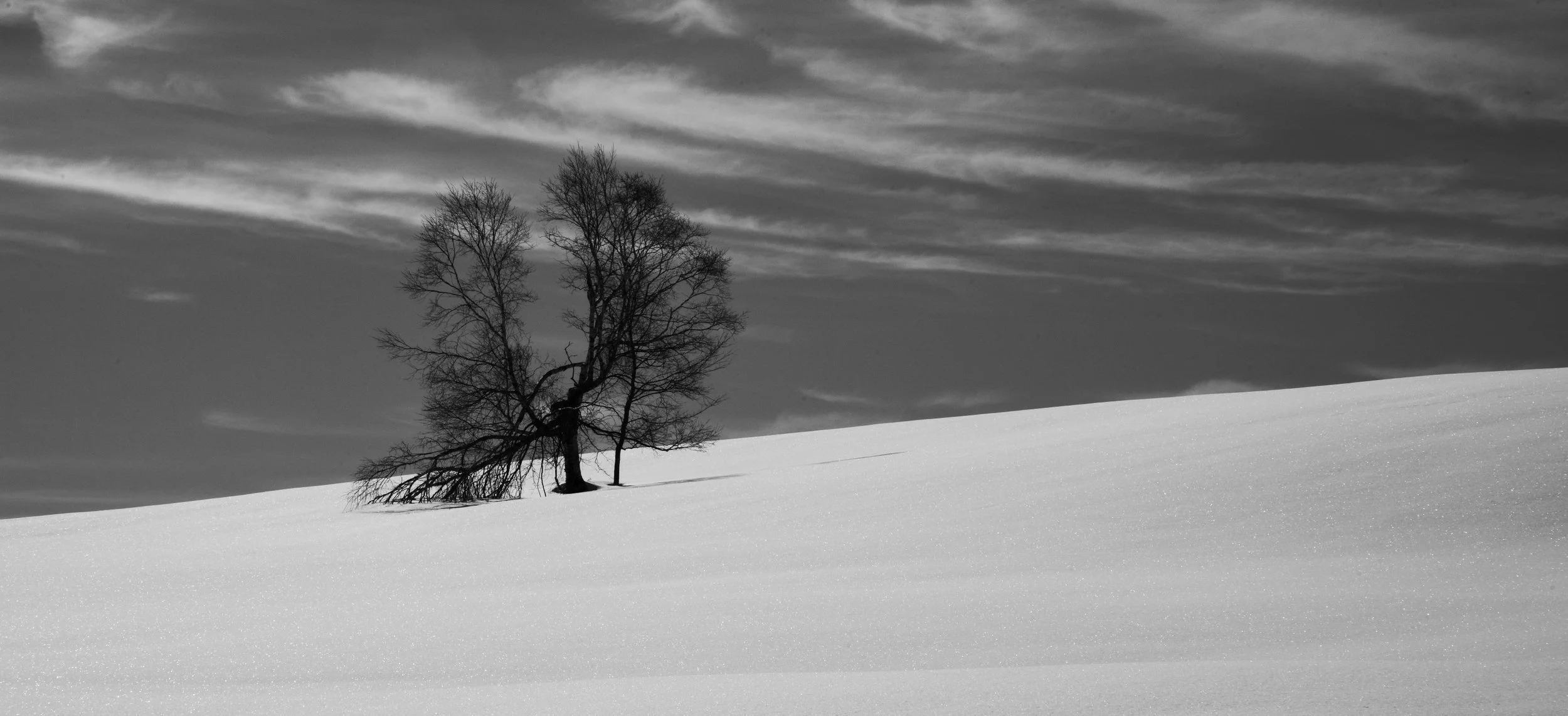
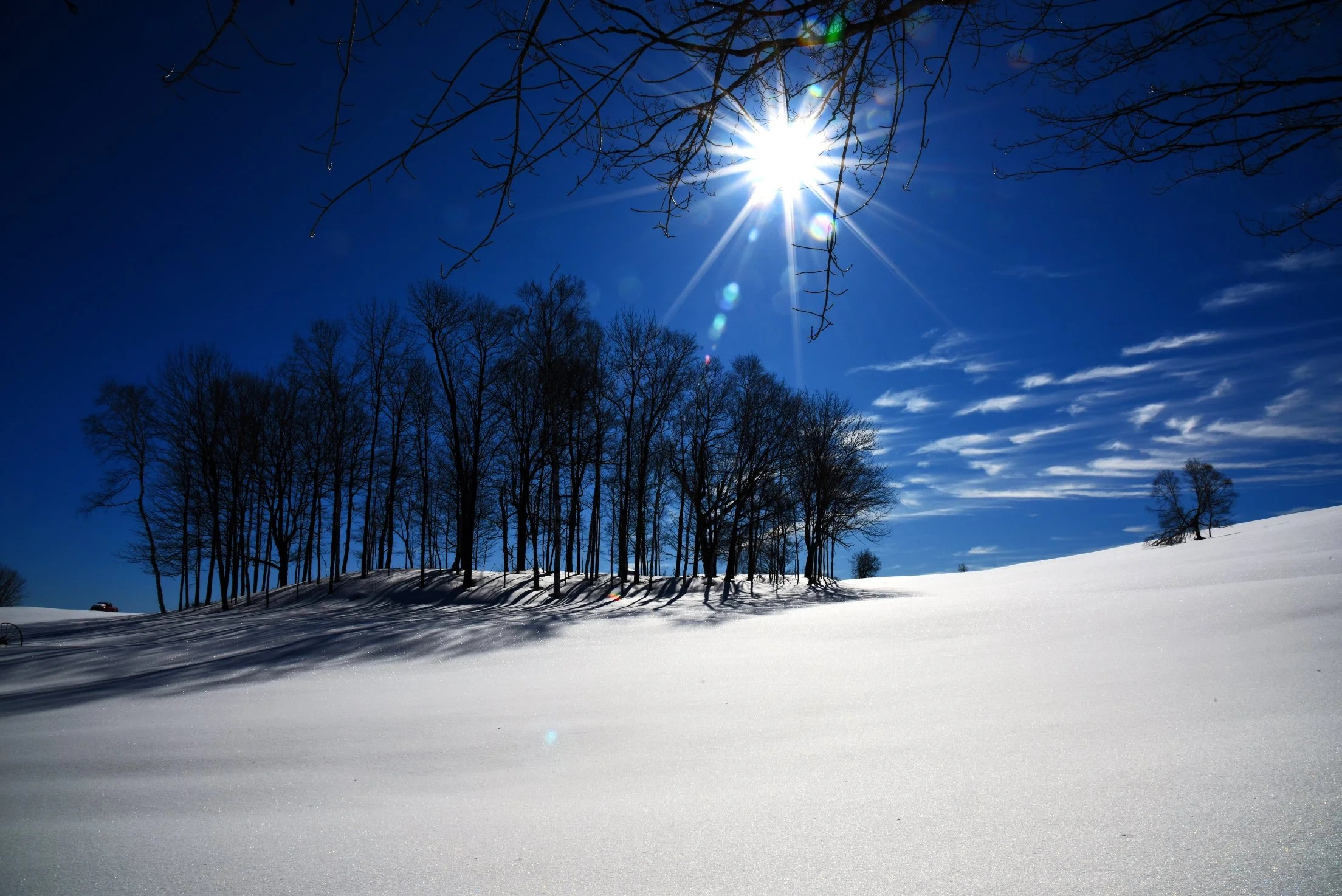
A friend and accomplished photographer, John Douglas, suggested we spend some time at a scenic spot near the end of his road in rural Vermont. We spoke about camera settings, how to deal with intense light and snow, and composition. Afterwards, John offered some simple post-production tips. Thigh deep snow was a challenge. But the results were rewarding.
Fresh Start
A new year… plenty of cliches to be found. Certainly, an opportunity for a new beginning. Two-fold in my case; the first day of my retirement. Adventures to be had. I have a new camera; exciting photographs are mine for the taking. Julia and I have plenty of big plans and some everyday wonders to be found. It is also a good time for reflection and evaluation. Much easier to chart a course if you know where you are and understand where you have been. Of course, serendipity is a welcome traveler.
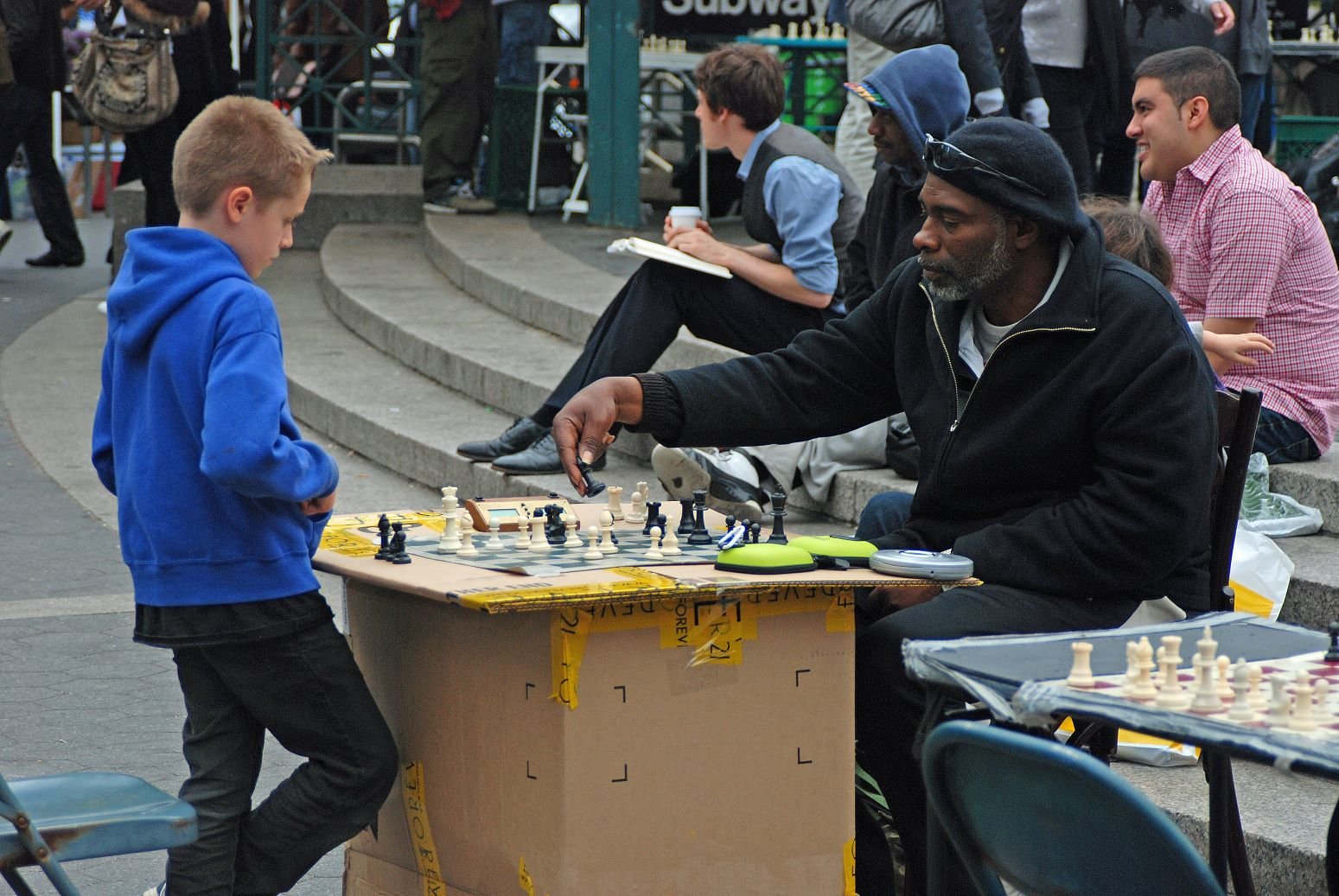
Common Ground
It is easy to find division, mistrust, and discord in the news and in our daily lives. There are, however, many signs of compassion, thoughtfulness, and unity around us as well. We can choose how much hope, joy, and love we keep in our personal lives. The photograph below, Common Ground, was recently juried into an exhibition, Snapshot America, at the Rhode Island Center for Photographic Arts.
Website Updates
I have made some long overdue updates to this website. The work in the Portfolios is more reflective of storytelling and developing narratives. I have updated the About page, also with an emphasis on storytelling. And the blog has new additions, with some links. In the future I plan on being timelier and more consistent with updates. Please visit the website on a regular basis to keep track.
September 2024
A busy month in many regards. Traveling to Vermont every weekend for late summer/early fall activities. Yesterday (Saturday the 21st) there was an opening reception for the Found Object Still Lifes featured in the New Projects portfolio. The work was paired with Found Object Assemblages by a clever and talented artist, John Parker. The curator, Julia Pavone, did a masterful job hanging the show. Hanging photographs and assemblages with similar themes, colors, and subjects in perfect harmony.
John F Parker (@parkerassemblage) • Instagram photos and videos
I also have some photographs being shown at the Rhode Island Center for Photographic Arts in Providence. This group show highlights work done during a workshop on Storytelling, Photo Essays. The workshop was a wonderful learning opportunity taught by David H Wells.
RI Center – For Photographic Arts (riphotocenter.org)
David Helfer Wells – New England based Visual Storyteller (davidhwells.com)
Creating During a Pandemic
The challenges and changes we all face during the Covid 19 outbreak are too numerous to list. It seems to me that learning to be adaptive is the key to coping. Serious aspects of people’s lives and our culture have been effected. I feel very fortunate to have maintained a steady income, been able to work, and most importantly my family and I have stayed healthy.
This means that finding ways to stay creative and active are trivial compared to the hardships and tragedy felt by some. But in an attempt to keep artists and the community engaged many art galleries and museums have been finding ways to keep artists, visitors, and patrons engaged. I feel very fortunate to have had work exhibited, virtually and in place, in multiple galleries and museums in the past 6 months.
An artist statement and image from one of those exhibitions and some thoughts on being adaptive are below:
SPA Gallery: Shelter in Place
Mark Dixon Artist Statement
The isolation we often seek for solace, respite, creativity, or even reward has a very different feel when it is imposed. Partly from the inherent uncertainty and hardship, but also because it is our nature to chafe under compliance. We are all finding ways to become adaptive; some with remarkable altruism, others in self-indulgent “survival”.
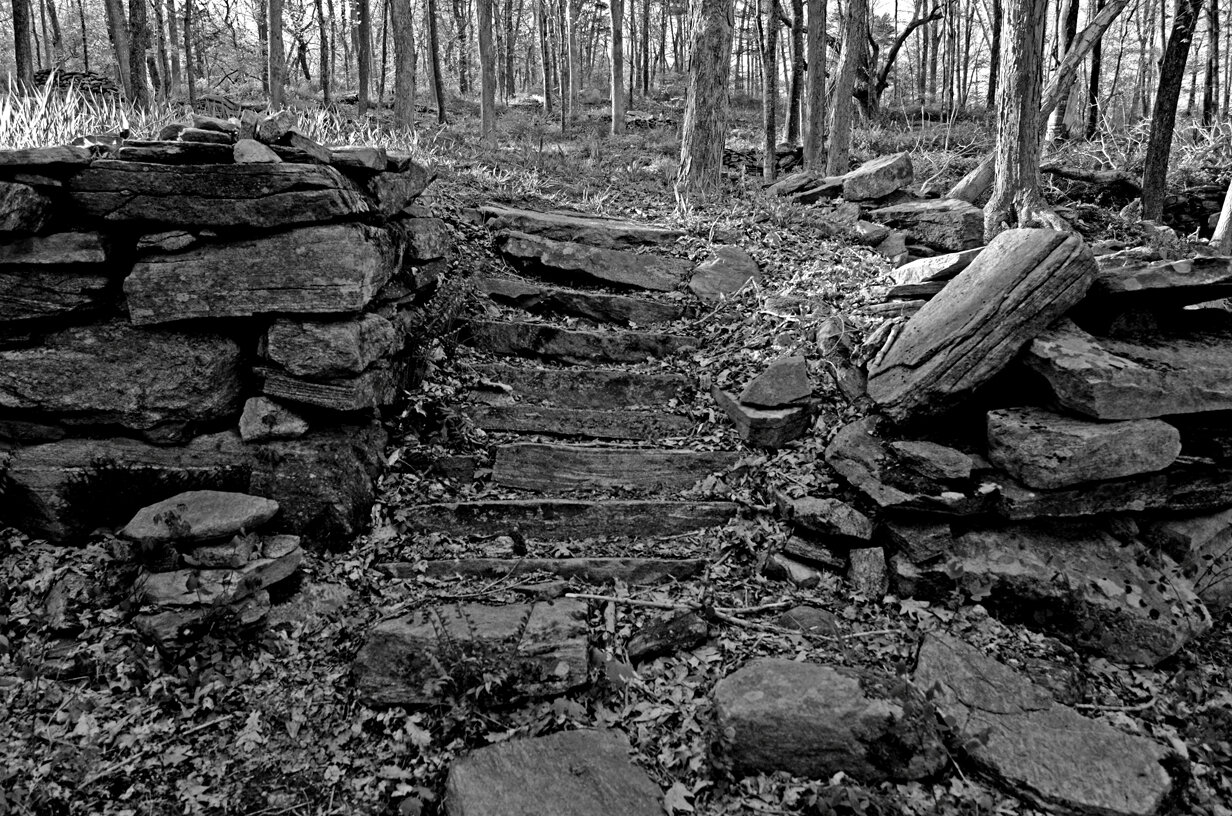
I have been discovering and exploring many of the local land trust preserves and associated trails. Through a series of events, both geologic and personal, I live in an environment shaped by retreated glaciers. These glaciers found their terminus somewhere between my backyard and Long Island. Massive erratics, valleys strewn with boulders, exposed ledges, and cobbles dominate large parts of the landscape. Just try to dig a hole in your yard. These rocks were all placed or exposed by the whims of the glaciers, physics, and probability. But in some cases they have been altered by hands. Abandoned foundations, rudimentary fireplaces, and long linear stonewalls, of the sort that inspired Robert Frost, were all built by Colonial settlers. The clusters of cairns, serpents, and standing stones are of a more mysterious and debatable origin. I find these all very fascinating, hopefully not an obsession in germination. Moss and lichens covering the stones, ferns sprouting in shaded wet areas, and seasonal swelling streams add to the sense of a primal landscape. This all makes for beautiful hikes that lend to social distancing; hikes I would have otherwise passed by.
This has also been an opportunity to bring my camera on a few hikes and explore some new and different subject matter. I choose a Black and White format based on the subjects and the aesthetic of how I think they should be portrayed; and perhaps also influenced by the current mood.
Updates
I am finally updating this web site!! I have added a “New Projects” Portfolio to highlight recent work. This will be a rotating gallery of projects that are not featured in the permanent Portfolios. Please check back on occasion to see new images.
Upcoming Exhibitions
I am really excited about a couple of opportunities to exhibit my photographs. Images from a summer 2013 residency in rural Bulgaria are on exhibit from April 25th to June 7th. The can be seen at the Alexey von Schlippe gallery of art at the Avery Point campus of the University of Connectiuct.
Special thanks to the Griffis Foundation and the Orphues Foundation for the opportunity. An thanks to people of the village of Polkovnik-Serafimovo for their hospitality, warmth, and openness.
Some photographs from my Found Object series are being exhibited at the Skylight Gallery in Chelsea, NYC from May 12th to June 24th.